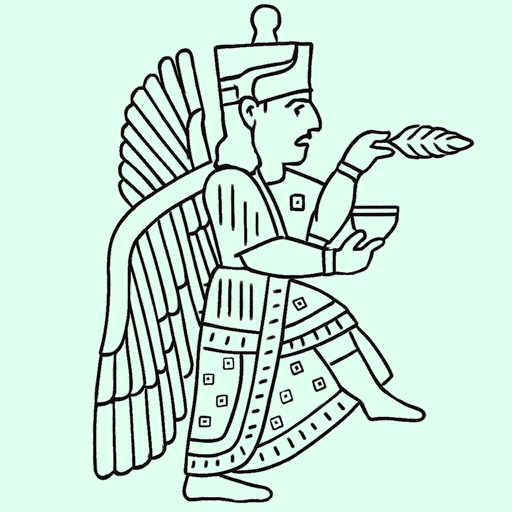
It is a water canal approximately 50 kilometers long, built by Urartian King Minua at the end of the 9th century BCE with the aim of bringing water to the Urartian capital Tuspa. The Urartians constructed many dams, ponds, and water canals for agricultural purposes. Many of these are still in use today. The most notable among them is the Minua Canal, named after the king who commissioned it. However, today it is popularly known as the Shamran (or Shamram or Semiramis) Canal. This name is based on ancient legends claiming that the canal and the vineyards and gardens irrigated by its waters were built by the legendary queen Semiramis (Samiram).
The water source originates in the Gürpınar district, located south of Van, and is brought to the Van plain through this canal. The geographical challenges along its route were overcome using various engineering techniques: approximately half of the canal was carved into rock; in some areas, support walls exceeding 15 meters in height were constructed; gorges were filled with soil; and even a stone bridge was built to carry the canal over the Engil (Hoşap) Stream. Although the route has been altered in some sections, the Minua Canal is still in use today.
Along the canal, there are 15 inscriptions placed at various locations. Fourteen of these (A 5-12A‑D, A 5-13, A 5-14A‑D, A 5-15A‑E) are similar inscriptions stating that the canal was commissioned by King Minua and named as Minua Canal (Minuai pili). The remaining inscription (A 5A‑1) located in the Kadembas area along the canal’s route, states that the vineyards and gardens in that area were made for Minua’s wife, Tariria. In this area, the sloping land descending toward the shore of Lake Van was terraced by constructing support walls, filled with soil brought from other regions, and gardens covering an area of 6 square kilometers were established, irrigated by the waters of the canal. The area is still covered with green gardens today.


References:
Belli, O.1997. Doğu Anadolu’da Urartu Sulama Kanalları, İstanbul.
Belli, O., R. W. Younker & V. E. Belli. 2024. Urartu Kraliçesi Tariria’nın Bağları ve Efsanelere Konu Olan Minua Sulama Kanalı, Ankara.
Erdoğan S. 2017. “Minua (Şamram) Kanalı ve Tariria Bahçesi İlişkisi Üzerine Bir Değerlendirme,” Sosyal Bilimler Enstitüsü Dergisi 36, Van, 11–24.
Işık, K. & B. Genç. 2025. “Ṭušpa: From the Rock Outcrop to the Capital,” in Tušpa: The Capital of Urartians, CHANE 143, eds. E. Konyar & B. Genç, Brill, 395–404.
Öğün, B. 1970. Van’da Urartu Sulama Tesisleri ve Şamram (Semiramis) Kanalı, Ankara.
Salvini, M. 2014. “The Spread of the Cuneiform Culture to the Urartian North (IX–VII Century BCE),” in Melammu : The Ancient World in an Age of Globalization, ed. M. J. Geller, Berlin, 299–328.
Şen, M. 2022. “Yeni Veriler Işığında Minua (Şamram) Kanalı ve Kanala Yönelik Koruma Önerileri,” Yayınlanmamış Yüksek Lisans Tezi, Van Yüzüncü Yıl Üniversitesi.
Images:
M. Salvini, 2014
e-gzt ADÜ, 2023
T. Bilgin, 2024
K. Işık & B. Genç, 2025
B. Bilgin, 2025