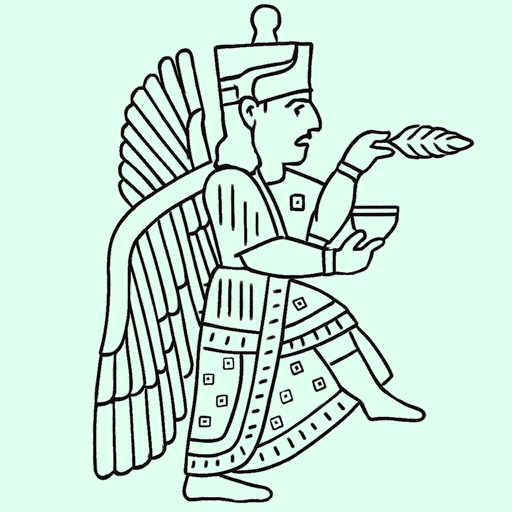
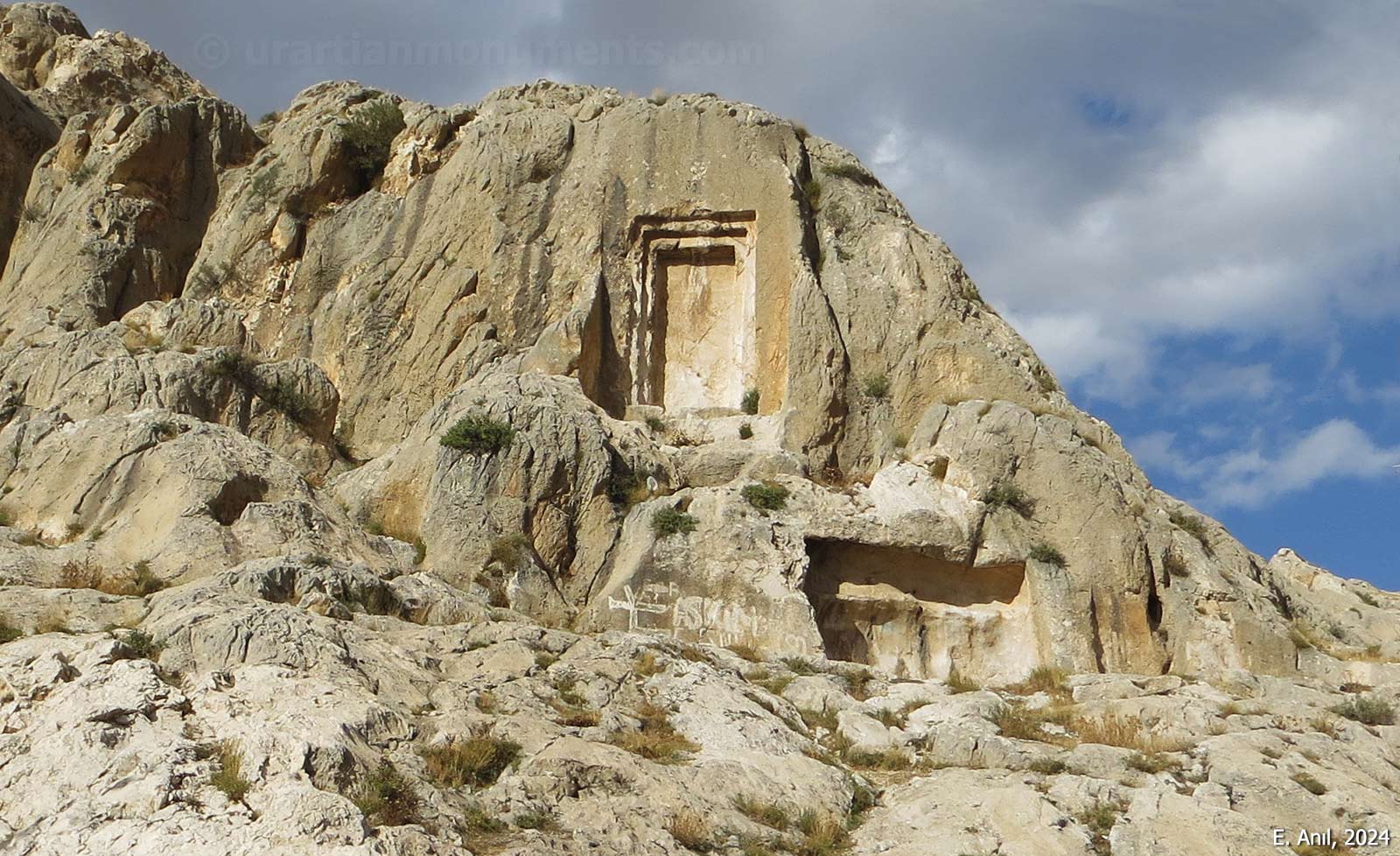
Meher Kapı (Meher Gate) is an Urartian open-air cult center. It is located at the foot of Mount Zimzim, about 4.5 km east of the Urartian capital Tušpa. Among the locals, it is also known as the Stone Gate, Treasure Gate, or Mithra Gate. Mehr/Meher is an alternative name of Mithra.
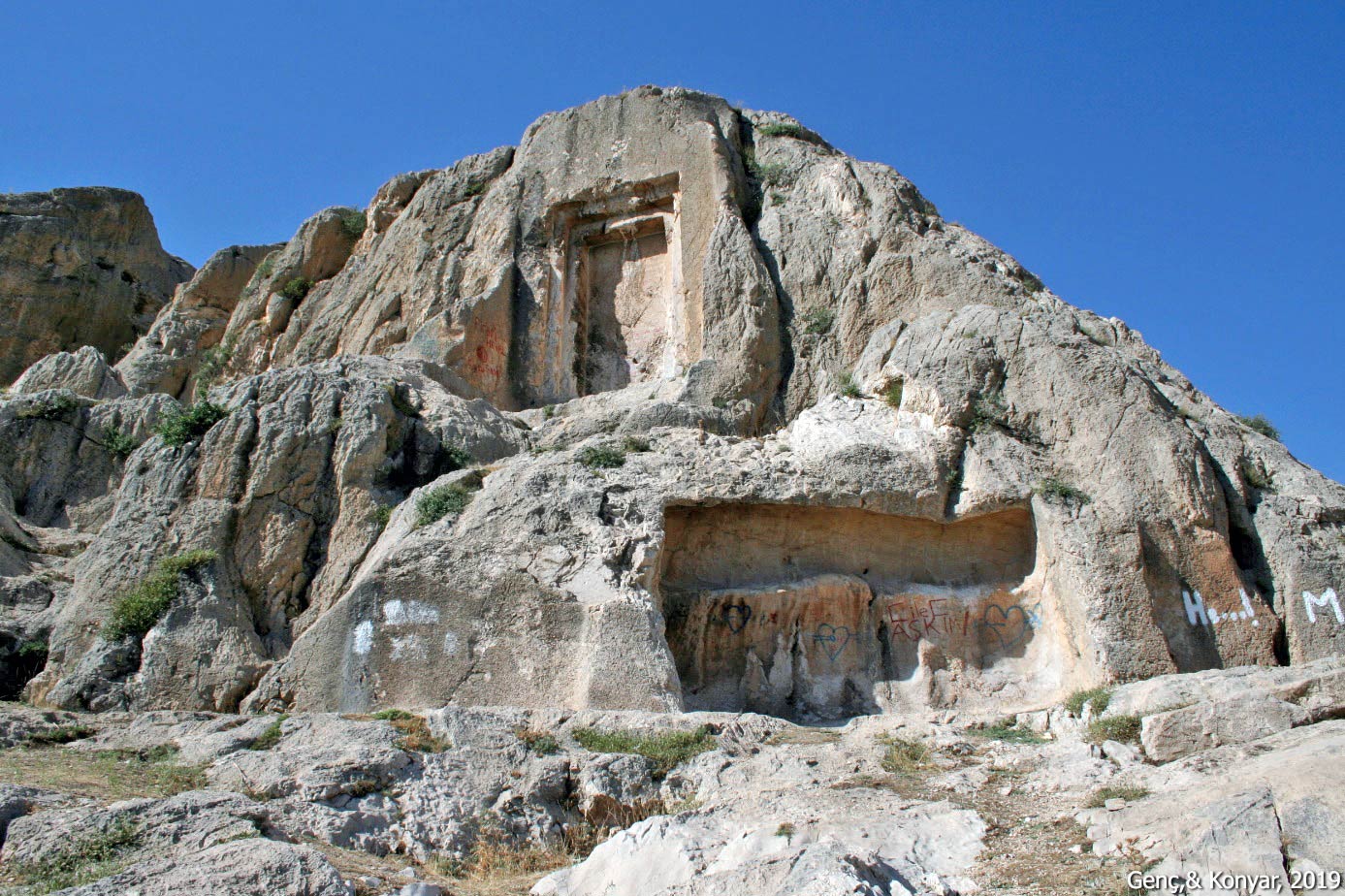
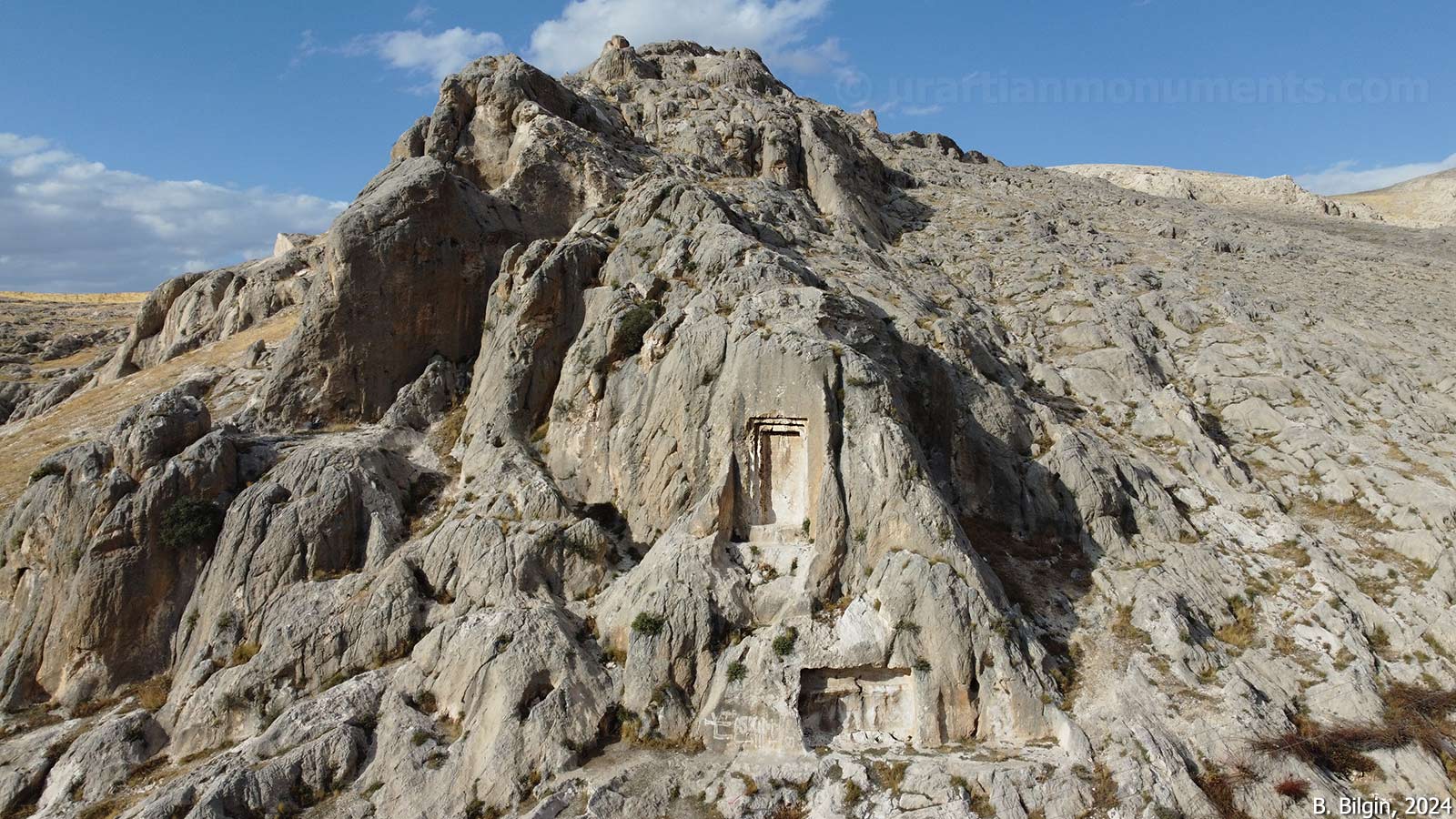
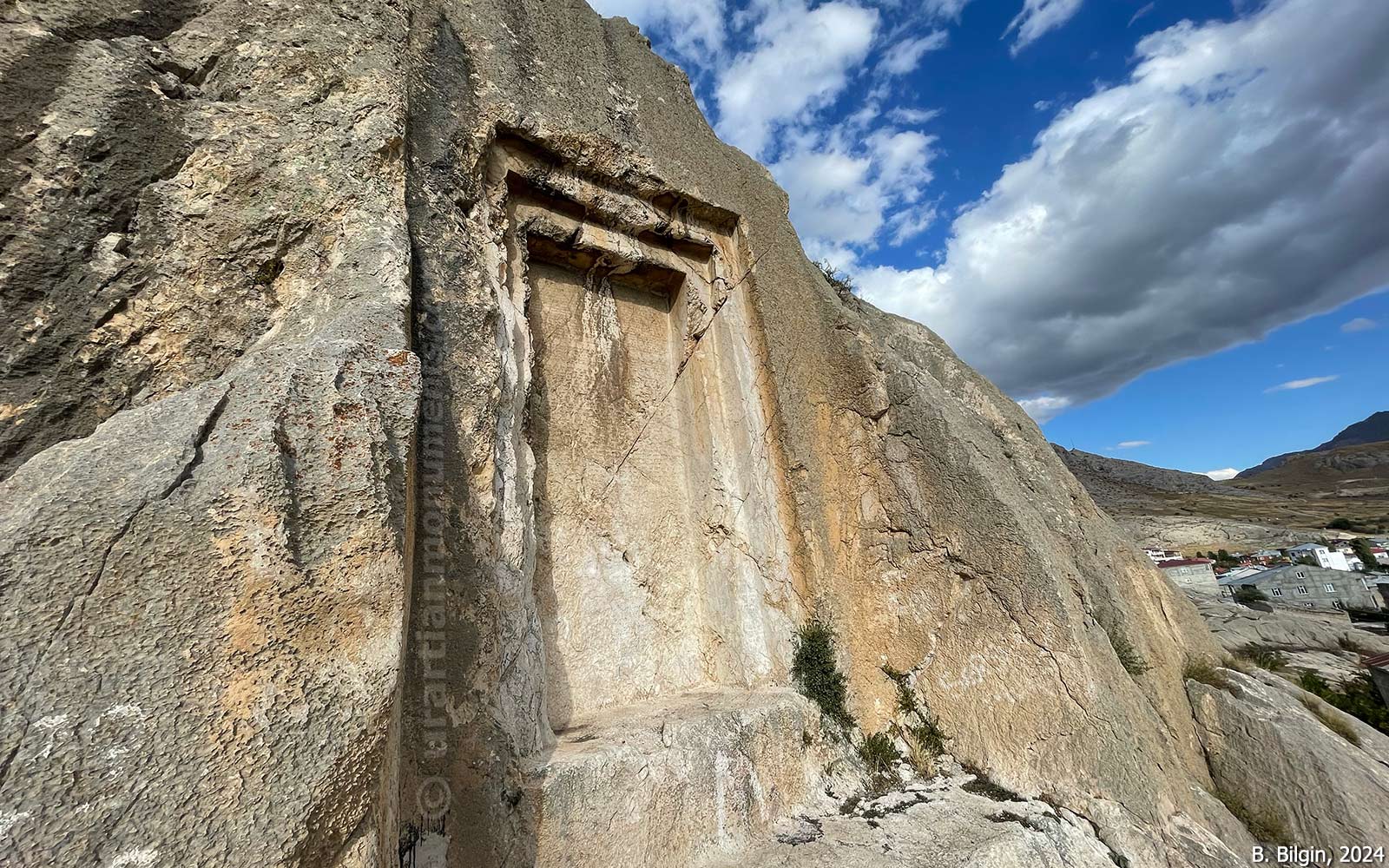
There is a rock niche, created by carving and shaping the rock surface, genuinely resembles a gate. Accordingly, the Urartians themselves named such monuments “Haldi Gates” after their supreme god. (A similar example is the Yeşilalıç Gate.) The first person to describe the monument and produce copies of its inscription was F. E. Shulz, who visited the region in 1827.
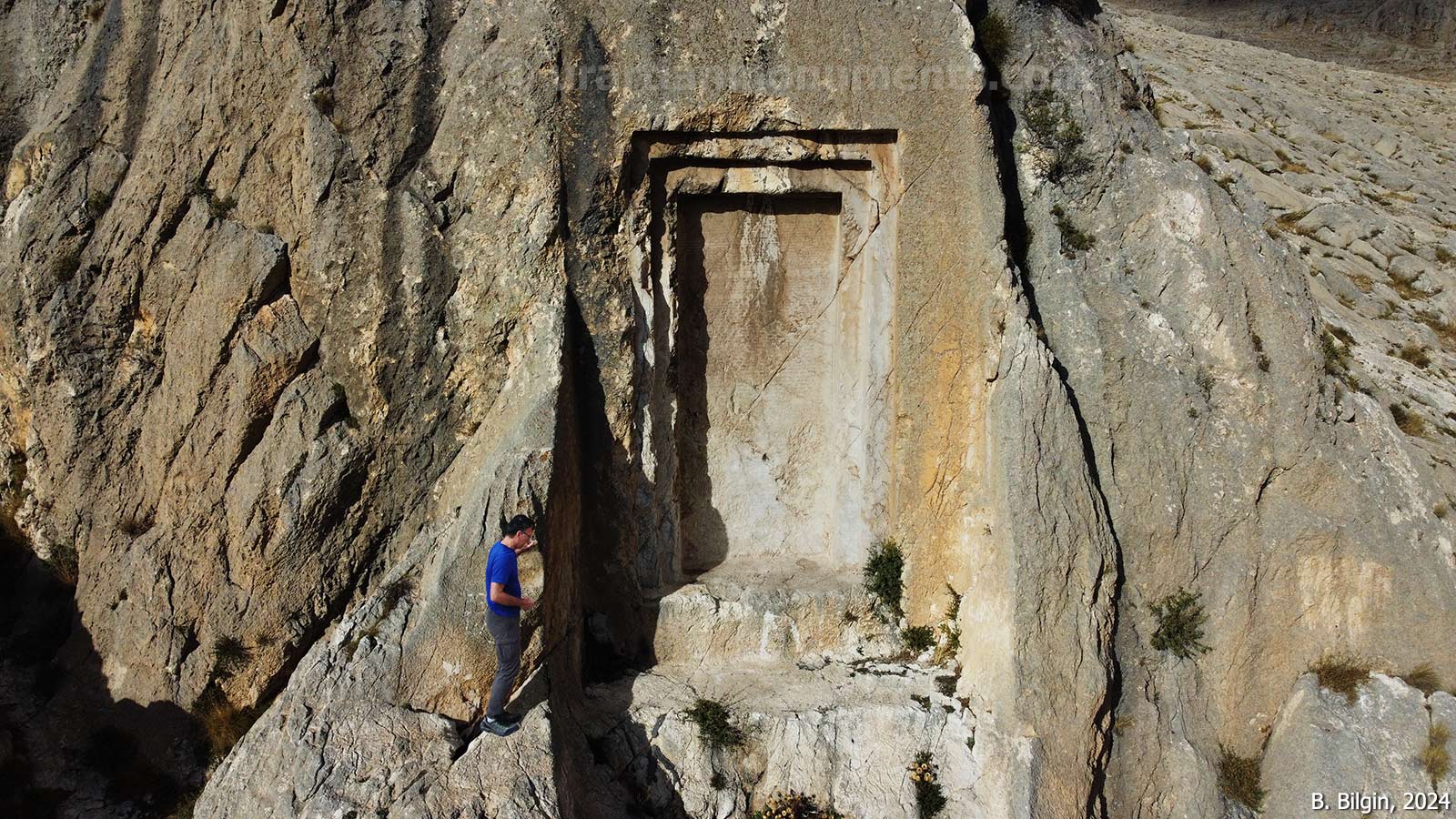
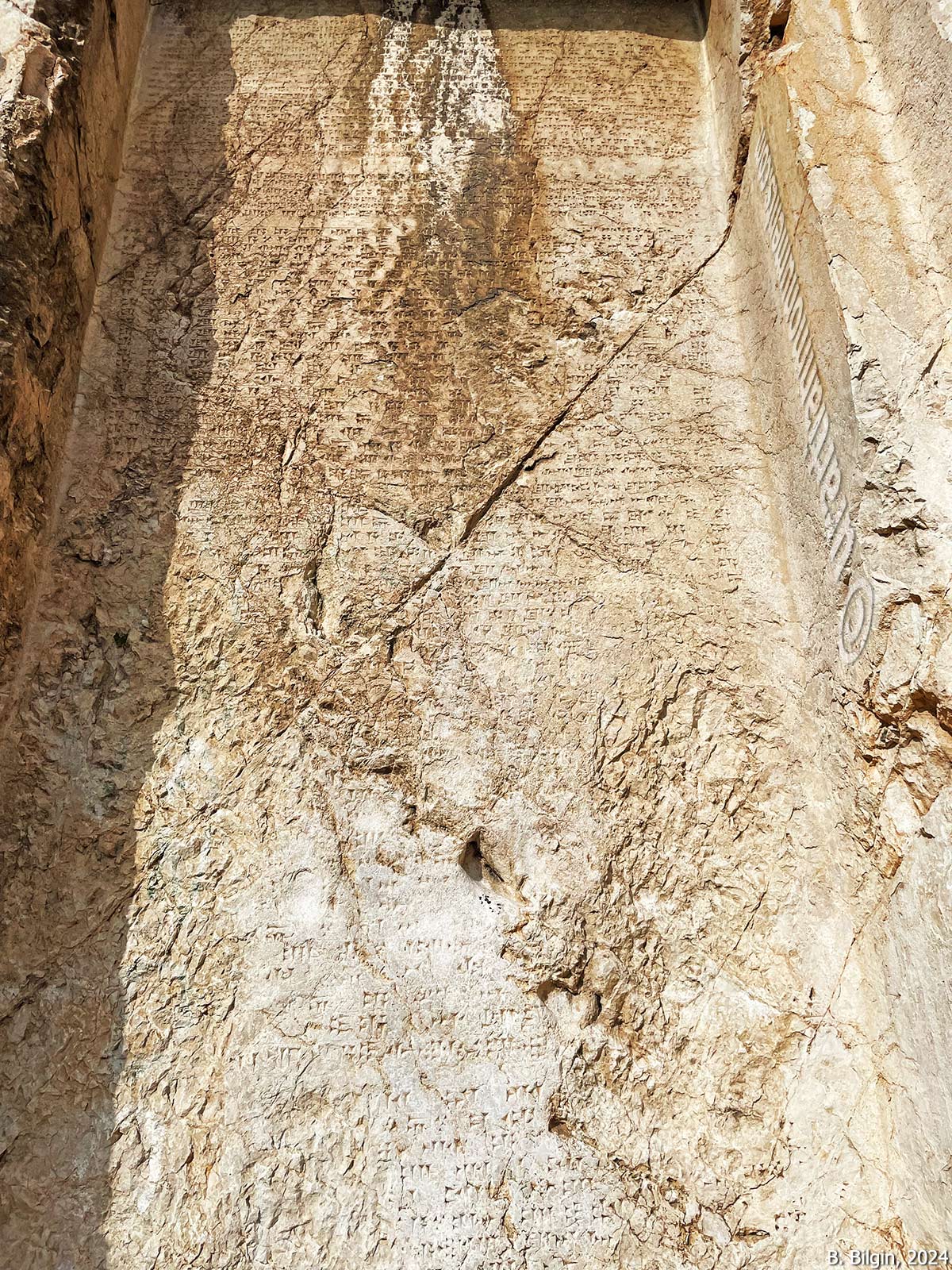
The “gate” is located on the south-facing side of a rock cliff about 17–18 meters above the ground, and it measures 4.1 x 2.6 meters (outer frame). The back wall of the niche is almost entirely covered with a cuneiform inscription (A 3‑1) which consists of 94 lines, created by repeating the same text twice. Thus, the content remains almost entirely legible despite erosion on the rock surface.
At the beginning of the inscription, it is stated that this sacred gate was built in the name of the god Haldi by King Išpuini and his son Minua (in the last quarter of the 9th century BCE). The text then lists the gods of the Urartian pantheon in hierarchical order, along with the sacrificial offerings to be made to each. The list, which includes the names of 79 gods and goddesses, begins with the chief god Haldi, followed by Teisheba, the god of air and storms, and then Shivini, the sun god. The inclusion of gods from various cities and regions, deities of lakes and mountains, monuments dedicated to Haldi, and even Haldi’s tangible and intangible attributes—such as his armies, spear, greatness, power, and mercy—among the recipients of offerings has greatly contributed for understanding Urartian religious rituals. Furthermore, the inclusion of the local deities of conquered territories has helped reconstruct the political geography of the Urartian kingdom at the time.
A few meters below Meher Kapı, there is a separate rock terrace measuring 20 x 4 meters, and just behind it, another niche measuring 5 x 3 meters. It is believed that sacrificial ceremonies were conducted in this area.
References:
Belli, O. 2000. “Van Bölgesi’nde Urartu Krallığı’na Ait Çivi Yazılı Anıtsal Kaya Kapıları,” in Türkiye Arkeolojisi ve İstanbul Üniversitesi (1932–1999), ed. O. Belli, Ankara, 386–393.
Çilingiroğlu, K. 2011. “Urartu Dİni / Urartian Religion,” in Urartu: Doğu’da Değişim / Transformation in the East, eds. K. Köroğlu & E. Konyar, İstanbul, 166–179.
Genç, B. & E. Konyar. 2019. “Van Kalesi Analıkız Yapısı: İşlev ve Kronolojisine Dair Bir Değerlendirme,” Anadolu Araştırmaları 22, 1–23.
Kılıç, S., H. Biber & O. Varol. 2006. “Urartu Krallığı ve Sonrası,” Van 2006 Kültür ve Turizm Envanteri, İstanbul, 97–169.
Salvini, M. 1994. “The Historical Background of the Urartian Monument of Meher Kapısı,” Anatolian Iron Ages 3, eds. A.Çilingiroğlu & D. H. French, Ankara, 205–210.
Salvini, M. 2006. Urartu Tarihi ve Kültürü, çev. B. Aksoy, Arkeoloji ve Sanat Yayınları, İstanbul.
Image sources:
B. Genç & E. Konyar, 2019
Ertuğrul Anıl, 2024
Bora Bilgin, 2024