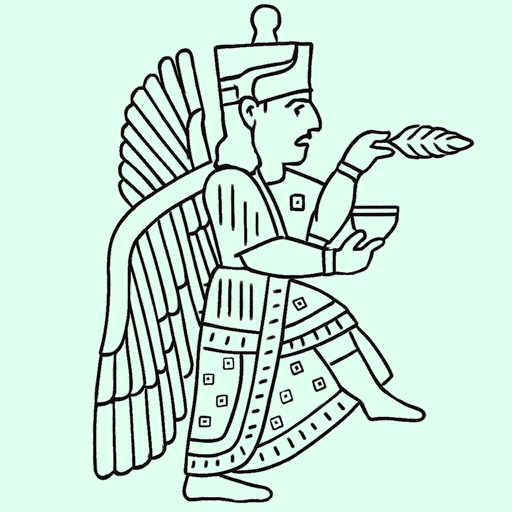
Kasımoğlu (A 3-5)
The stele was found reused as a column base in the church of Surb Hovhannes in the village of Kasımoğlu (old Gjusnents), about 30 km north of the city of Van. The cross and Armenian inscription carved on the reverse indicate that the stele was later repurposed as a gravestone. The stele is inscribed on both sides with the same Urartian text. The basalt stele has a height of 91 cm, a width of 65 cm, and a thickness of 31 cm. It is on display in the Van Museum.


Transliteration (after eCUT):
obverse
1 [d]hal-di-i-e e-ú-ri-i-e miš-pu-ú-i-ni-[še]
2 [m]dsar5-du-ri-e-hi-ni-še mmì-i-nu-ú-a-⸢še⸣
3 [m]⸢iš⸣-pu-ú-i-ni-hi-ni-še i-ni pu-lu-si-⸢e⸣
4 ⸢ku⸣-ú-i-tú-ú [d]hal-di-ni uš-ta-a-⸢bi⸣
5 ⸢ma⸣-si-ni-e GIŠšú-ri-⸢e⸣ ka-ru-ni mú-i-ṭè-ru-⸢hi⸣
6 ⸢ka⸣-ru-ni mlu-ú-šá-a ka-ru-ni mka-a-tar-za-⸢a⸣
7 ⸢d⸣hal-di-ni ku-ru-ni dhal-di-ni GIŠšú-ri-[i]
8 ⸢ku⸣-ru-ni dhal-di-ni-ni uš-ma-a-ši-⸢ni⸣
9 ⸢uš⸣-ta-a-li mlu-šá-i-ni-e-⸢di⸣
10 [m]⸢iš⸣-pu-ú-i-ni-ni mdsar5-du-ri-e-[hi]
11 [m]mì-nu-ú-a-ni miš-pu-ú-i-ni-⸢hé⸣
12 [ma]-a-nu miš-pu-ú-i-ni ku-ru-ni mmì-nu-ú-[a]
13 ⸢ku⸣-ru-ni hu-ra-di-na-a 66 GIŠGIGIR[MEŠ]
14 [x] ⸢LIM⸣ 4 ME 301 PIT-HAL-LUMEŠ 10 LIM 5 LIM 7 ME 60 LÚÉRIN[MEŠ]
15 ⸢ú⸣-lu-uš-ta-a-i-bi dhal-di-⸢ni⸣
16 [m]⸢iš⸣-pu-ú-i-ni-e mdsar5-du-ri-e-hi-ni-[e]
17 [mmì-nu]-⸢ú⸣-a miš-pu-ú-i-ni-e-hi-ni-⸢e⸣
18 [ha-a-i-tú m]⸢lu⸣-ú-šá-a mka-a-tar-za-[a]
19 [x x x x x]-⸢li⸣ ku-ṭi₅-tú pa-a-ri-[e]
20 [URUa-na-ši-e pa-ri] ⸢URU⸣ma-qu-ru-tar-[a/za]
reverse
1 [d]hal-di-i-e [e-ú-ri-i-e m]iš-pu-ú-i-⸢ni⸣-[še]
2 [m]dsar5-du-ri-e-hi-⸢ni⸣-[še] mmì-i-nu-ú-a-[še]
3 [m]⸢iš⸣-pu-ú-i-ni-hi-[ni]-še i-ni pu-lu-si-⸢e⸣
4 [ku]-ú-i-tú-ú d⸢hal⸣-di-ni uš-ta-a-⸢bi⸣
5 [ma]-si-ni-e GIŠšú-ri-⸢e ka⸣-ru-ni mú-i-ṭè-⸢ru⸣-[hi]
6 [ka]-ru-ni mlu-ú-šá-[a] [ka]-ru-ni mka-a-tar-za-⸢a⸣
7 [dhal]-di-ni ku-ru-ni d⸢hal⸣-di-ni GIŠšú-ri-i
8 [ku]-ru-ni dhal-di-ni-ni uš-ma-a-ši-ni
9 ⸢uš⸣-ta-a-⸢li⸣ [m]lu-šá-i-ni-e-⸢di⸣
10 [m]iš-pu-ú-i-ni-ni
11 [m]dsar5-du-ri-e-[hi]
12 [m]⸢mì⸣-nu-ú-a-ni miš-pu-ú-i-ni-[hi]
13 [ma]-a-nu miš-pu-ú-i-[ni]
14 [ku]-ru-ni mmì-nu-a ku-ru-[ni]
15 [hu]-ra-di-na-a ⸢66⸣ GIŠGIGIR[MEŠ]
16 [x LIM] 4 ME ⸢60⸣3 PIT-HAL-LU[MEŠ]
17 [10 LIM] 5 LIM 7 ME 60 ⸢LÚ⸣ÉRINMEŠ
18 [ú-lu]-⸢uš-ta⸣-[a-i-bi]
Translation:
(obv. 1) For the god Haldi, the Lord, Išpuini, son of Sarduri, and Minua, son of Išpuini, erected this stele. (4) The god Haldi set off with his weapon. He defeated the Uiṭeruhi, he defeated the Luša, he defeated the Katarza. (7) Behind(?) the god Haldi, behind(?) the weapon of the god Haldi, (8) through the protection of the god Haldi, Išpuini, son of Sarduri, and Minua, son of Išpuini, set off against the Luša. (12) Among the troops behind(?) Išpuini, behind(?) Minua there were 66 chariots, [N(N)],430 horsemen, and 15,760 foot soldiers. (15) The god Haldi marched in front of Išpuini, son of Sarduri, and Minua, son of Išpuini. (18) [They defeated] the Luša and the Katarza. (19) [. . .] they arrived in the city Anašie and in the city Maqurutar(z)a [. . .].
(rev. 1) For the god Haldi, the Lord, Išpuini, son of Sarduri, and Minua, son of Išpuini, erected this stele. (4) The god Haldi set off with his weapon. He defeated the Uiṭer[uhi], he [de]feated the Luša, he defeated the Katarza. (7) Behind(?) [the god Hal]di, behind(?) the weapon of the god H[al]di, (8) through the protection of the god Haldi, Išpuini, son of Sarduri, and Minua, son of Išpuini, set off against the Luša. (13) Among the troops behind(?) Išpuini, behind(?) Minua there were 66 chariots, [x] thousand (and) 460 horsemen, and 15,760 foot soldiers. He marched …
References:
Salvini, M. 2008–2018. Corpus dei Testi Urartei, v. 1 pp. 134–135, v. 3 pp. 79–80, v. 5 pp. 64–66.
eCUT – Electronic Corpus of Urartian Texts (https://oracc.museum.upenn.edu/ecut/Q006890).
CTU A 3-5 = CICh 14 (obv.) = HchI 6a, 6 = UKN 21–22 = KUKN 32–33
Image Sources:
Bora Bilgin, 2024