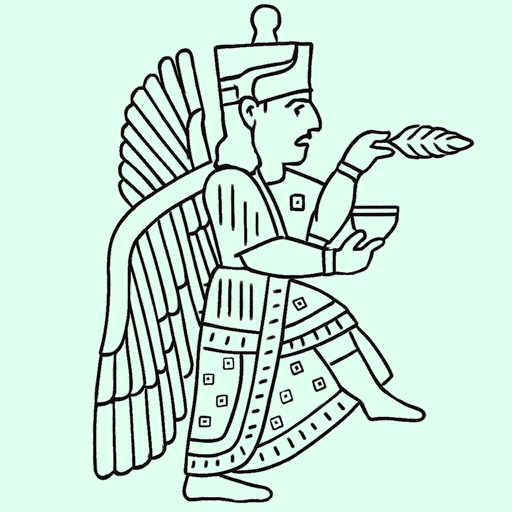
Bitlis (A 5-102)
The fragment of an annalistic stele originates from Bitlis province, but its exact find spot is unknown. It measures 41 cm in height, 36 cm in width, and 24 cm in thickness and is currently in the inventory of the Van Museum. Based on its paleography, it has been assigned to the reign of Minua.


Transliteration (CTU V):
obverse
1ʹ [x] x x x […]
2ʹ [za]-du-bi za?-x-[…]
3ʹ [x] LIM 5 ME 60 […]
4ʹ ⸢LÚ]⸢ta-ar-šú-a-⸢ni⸣ […]
5ʹ a-li-ki4 za-áš-gu-[bi]
6ʹ a-li-ki4 še-hi-ri a-⸢gu⸣-[bi]
7ʹ a-li ʾa-a-še20 ma-[nu]
8ʹ [a]-ru-be LÚA.⸢SI⸣MEŠ-[ú-e]
9ʹ [… x]MEŠ? ha?-ú?-[bi?]
10ʹ […] x […]
reverse
1ʹ [a]-⸢lu⸣-še i-ni DUB-⸢te⸣
2ʹ [tú]-ú-li-i-e
3ʹ [a]-lu-še pi-i-tú-li-e
4ʹ [tú]-ri-ni-ni dhal-di-⸢še⸣
5ʹ DINGIRMEŠ-še ma-a-ni
6ʹ dUTU pi-e-i-ni
7ʹ mì-i ar-hi u-ru-li-a-ni
Translation:
“(obv. 1ʹ) . . . . he built . . . 1560 [(+) . . . ] men [. . .] (5ʹ) some [I] kill[ed], some I deported alive, the men who we[re (there)] I gave to the sol[diers . . . I] took [. . .] . . . [. . .]
(rev. 1ʹ) (As for the one) [w]ho [de]stroys this inscription, (as for the one) who damages it, may the god Haldi (and all) the god annihilate him under the sun! (rest of the curse formula untranslatable).”
References:
Dinçol, A. M. 1989. “Yeni Urartu Yazıtları ve Yazıt Parçaları,” Anadolu Araştırmaları 11, 137–142 and Plts. 1–6 (138 and Plts. 3–4).
Salvini, M. 2008–2018. Corpus dei Testi Urartei, v. 5 pp. 187–188.
eCUT – Electronic Corpus of Urartian Texts (https://oracc.museum.upenn.edu/ecut/Q007000).
Image Source:
M. Salvini, 2008