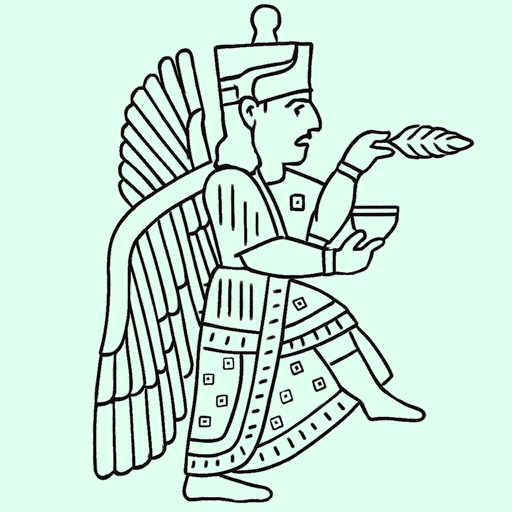
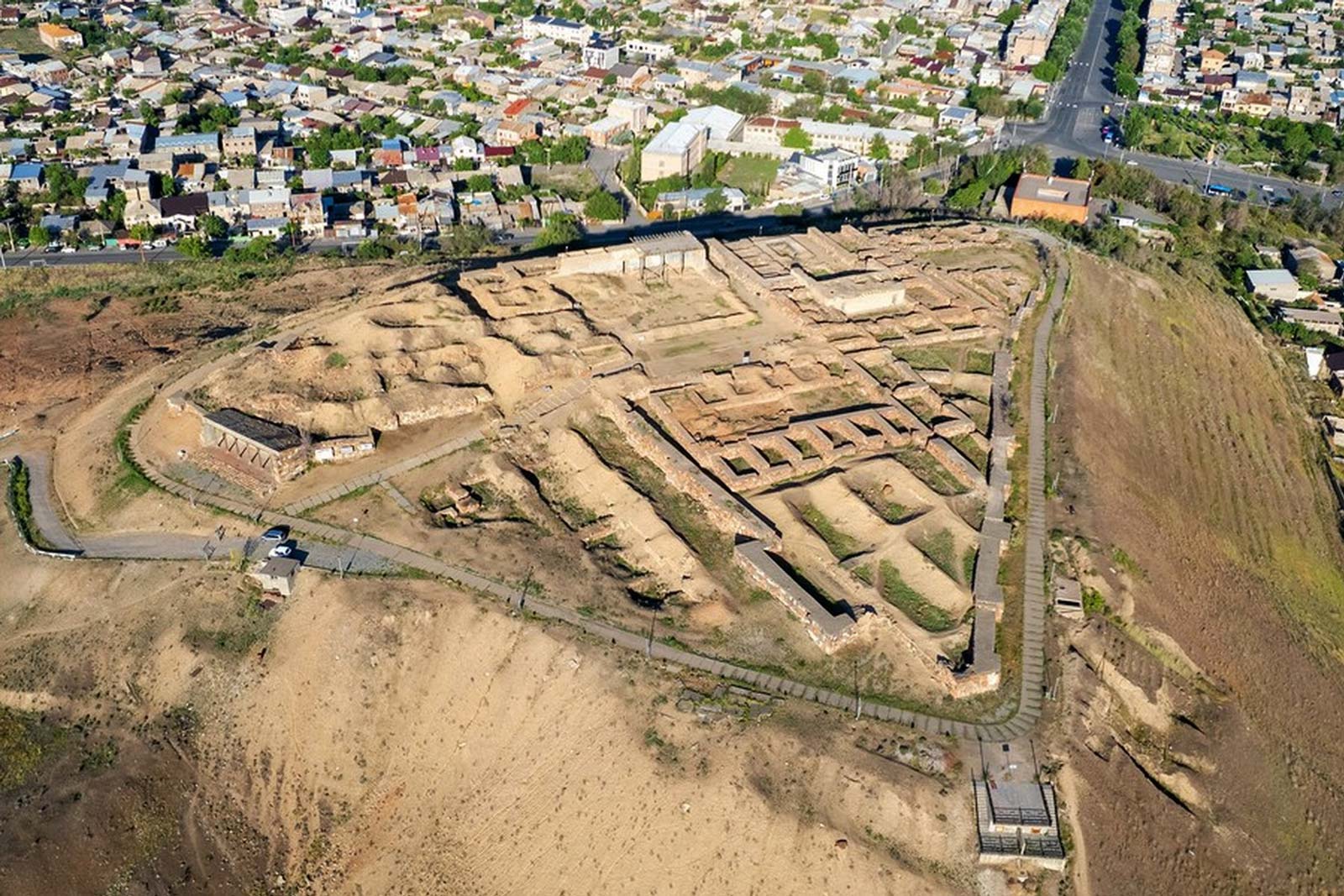
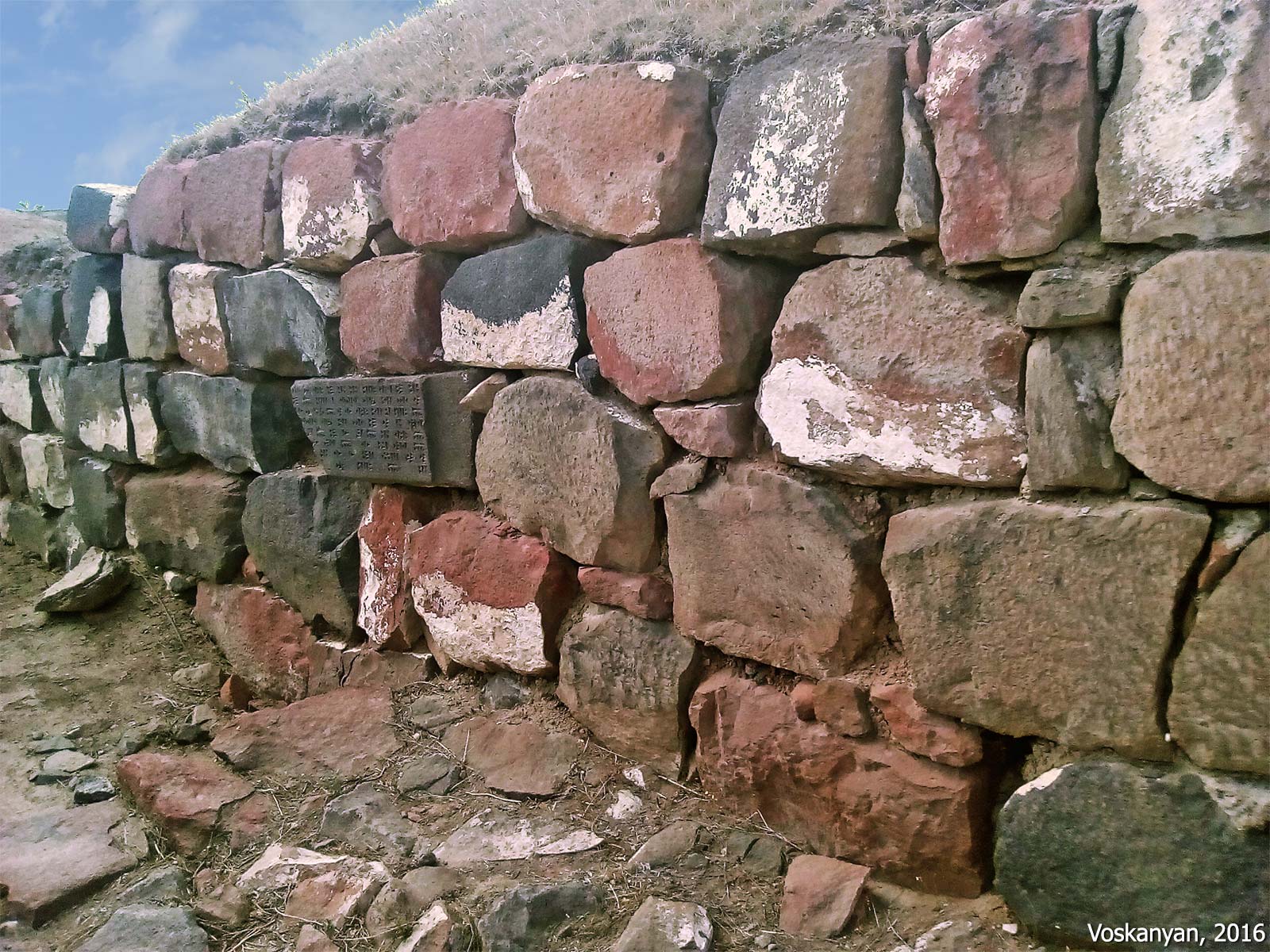
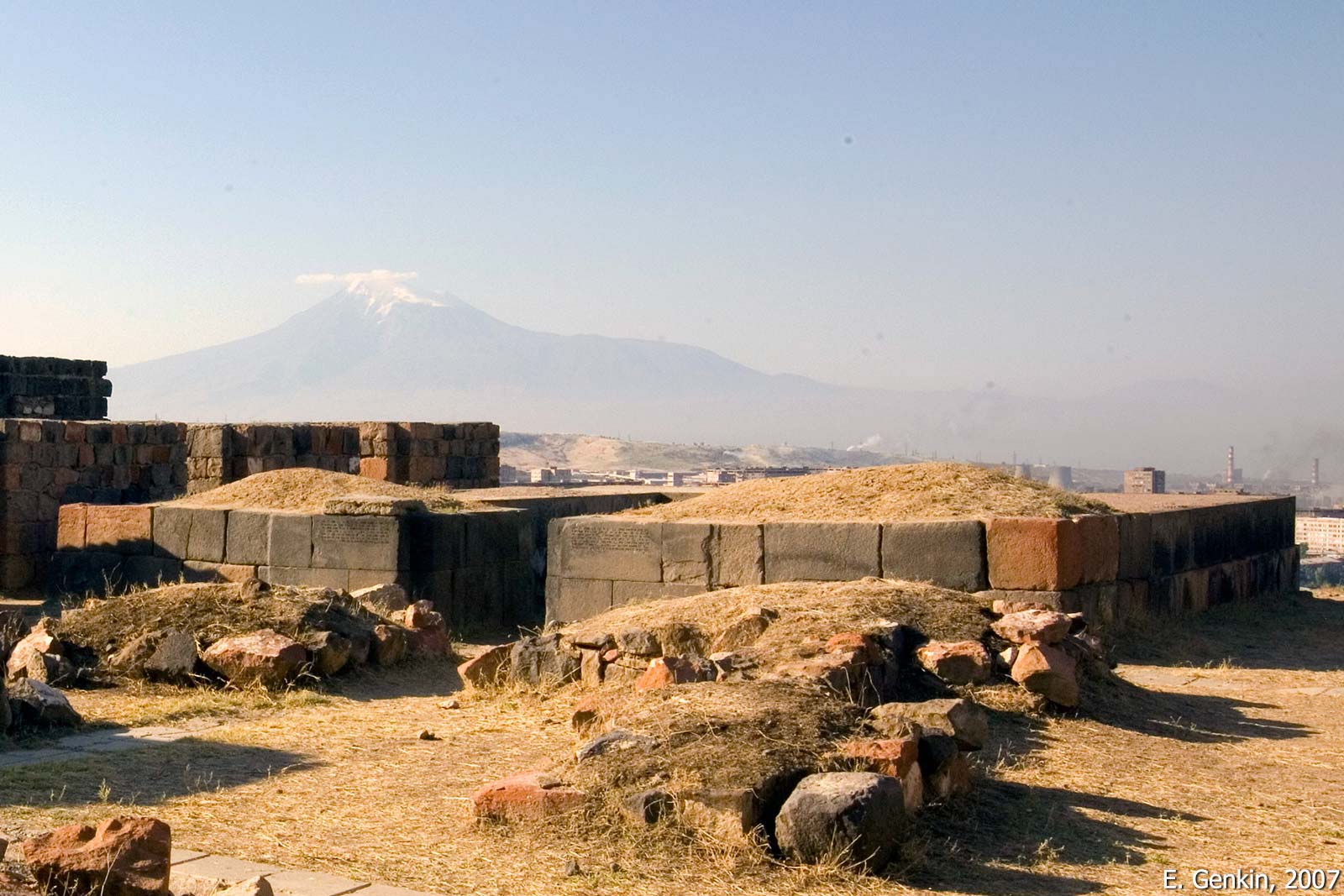
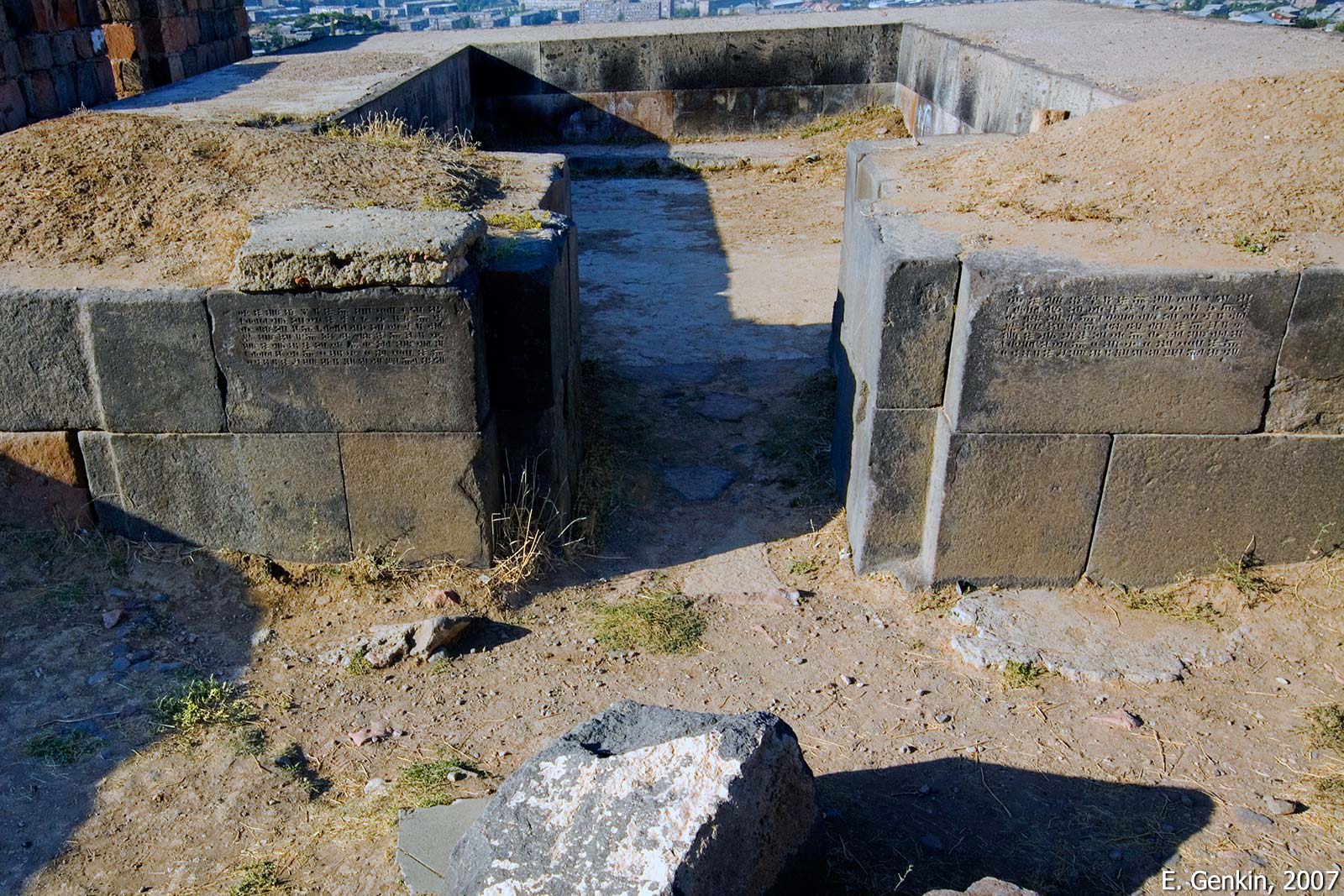
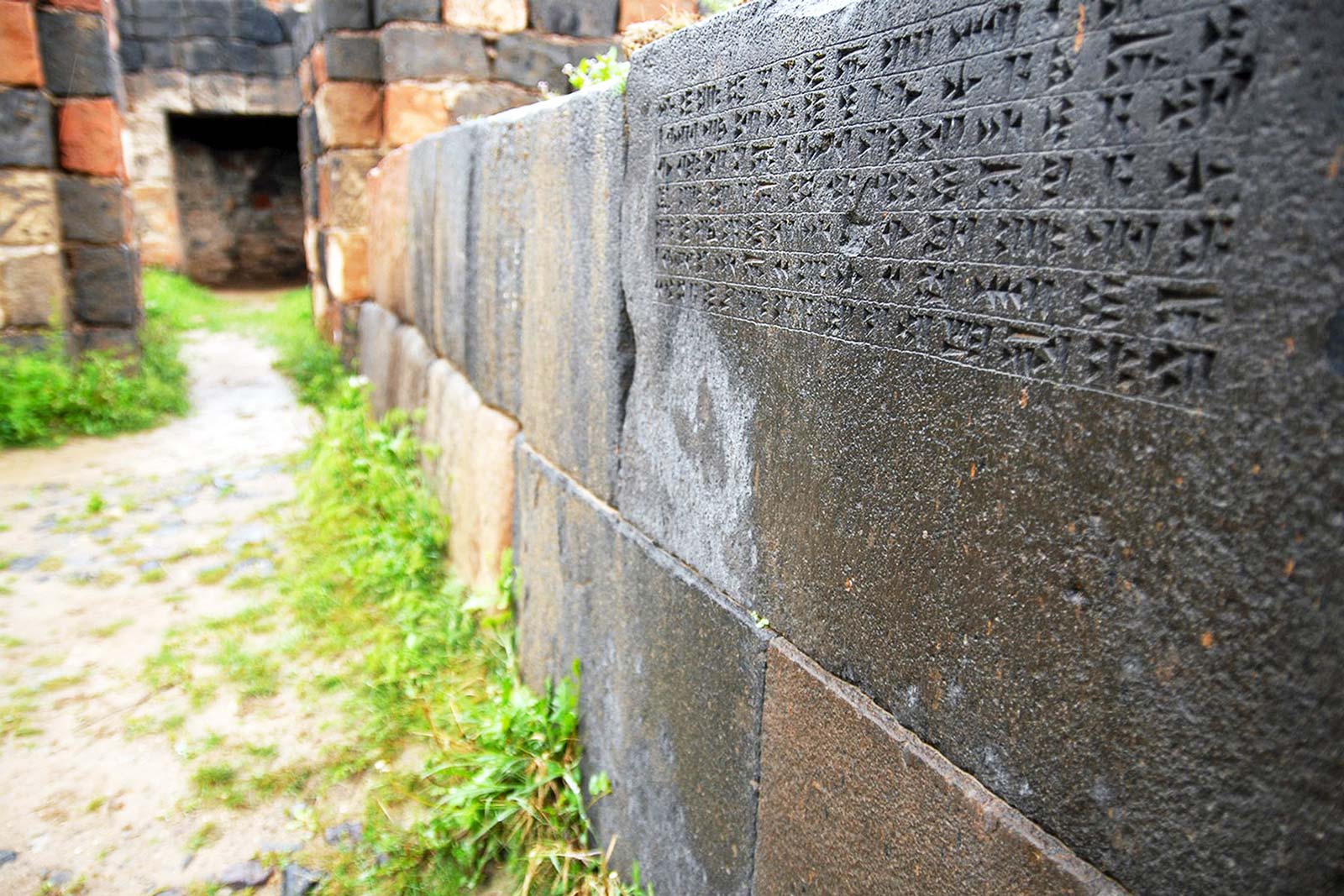
Arin Berd or Erebuni Fortress is one of the most important Urartian settlements, located on Arinberd hill at the southeastern edge of today’s Yerevan, Armenia. It was founded in 782 BCE by King Argišti I, making it one of the earliest and best-documented Urartian fortresses in the region. Erebuni is considered the foundation point of present-day Yerevan, and its name is preserved in the modern city’s Armenian form. An inscription carved on a basalt block (A 8-17) records the foundation of the fortress, stating that it was built by Argišti I, named Erebuni, and proclaimed as a city of power and a symbol of Urartian strength.
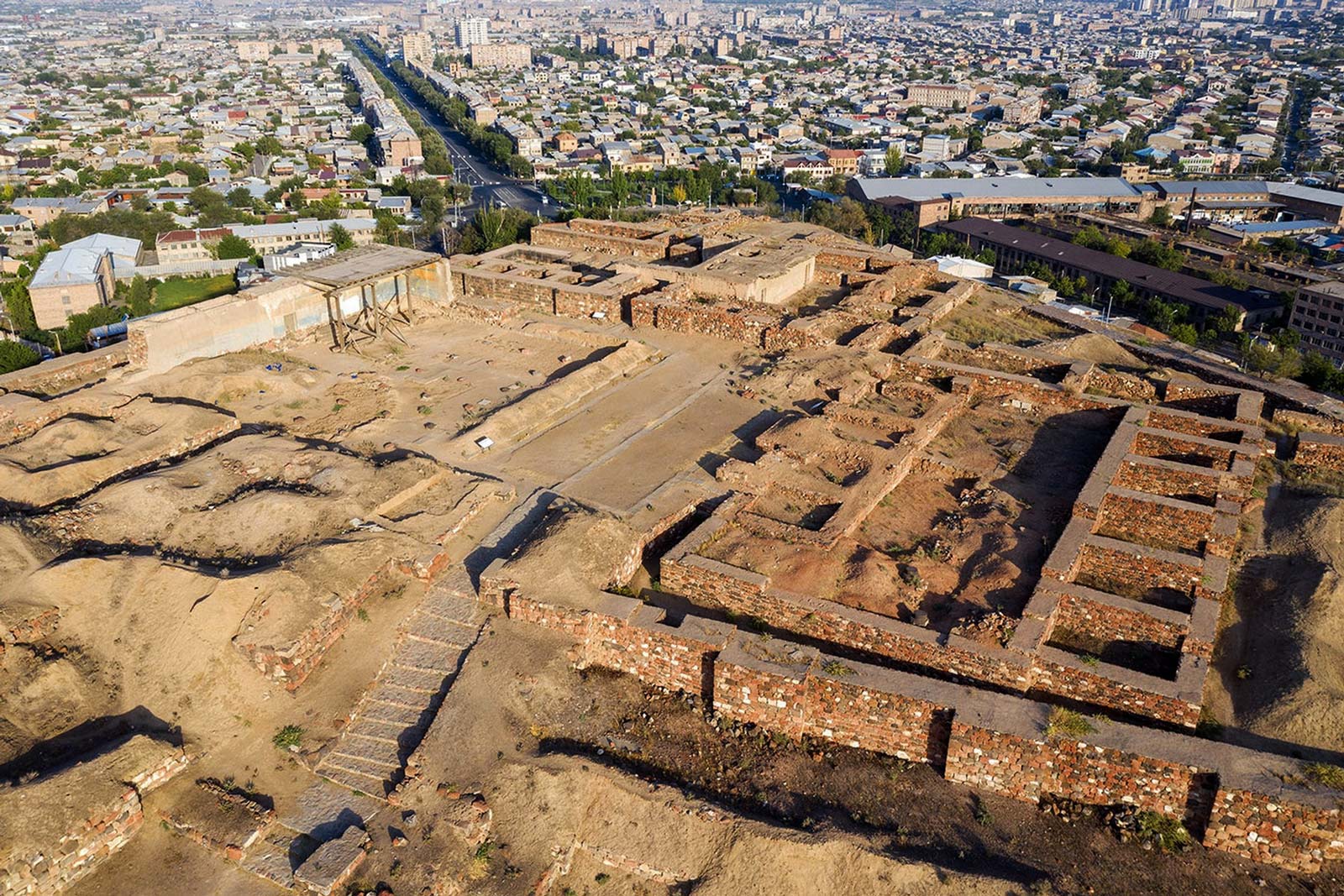
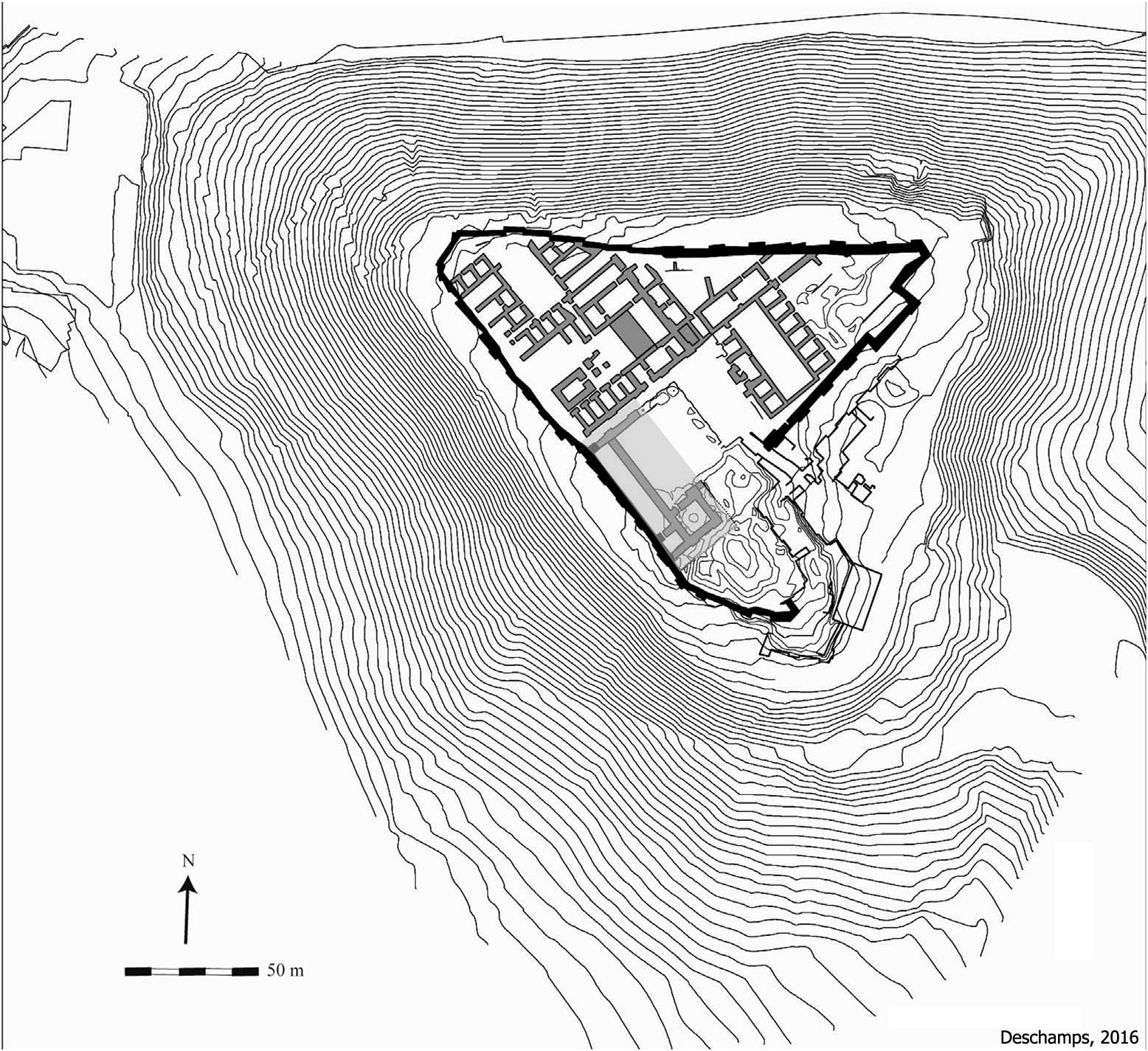
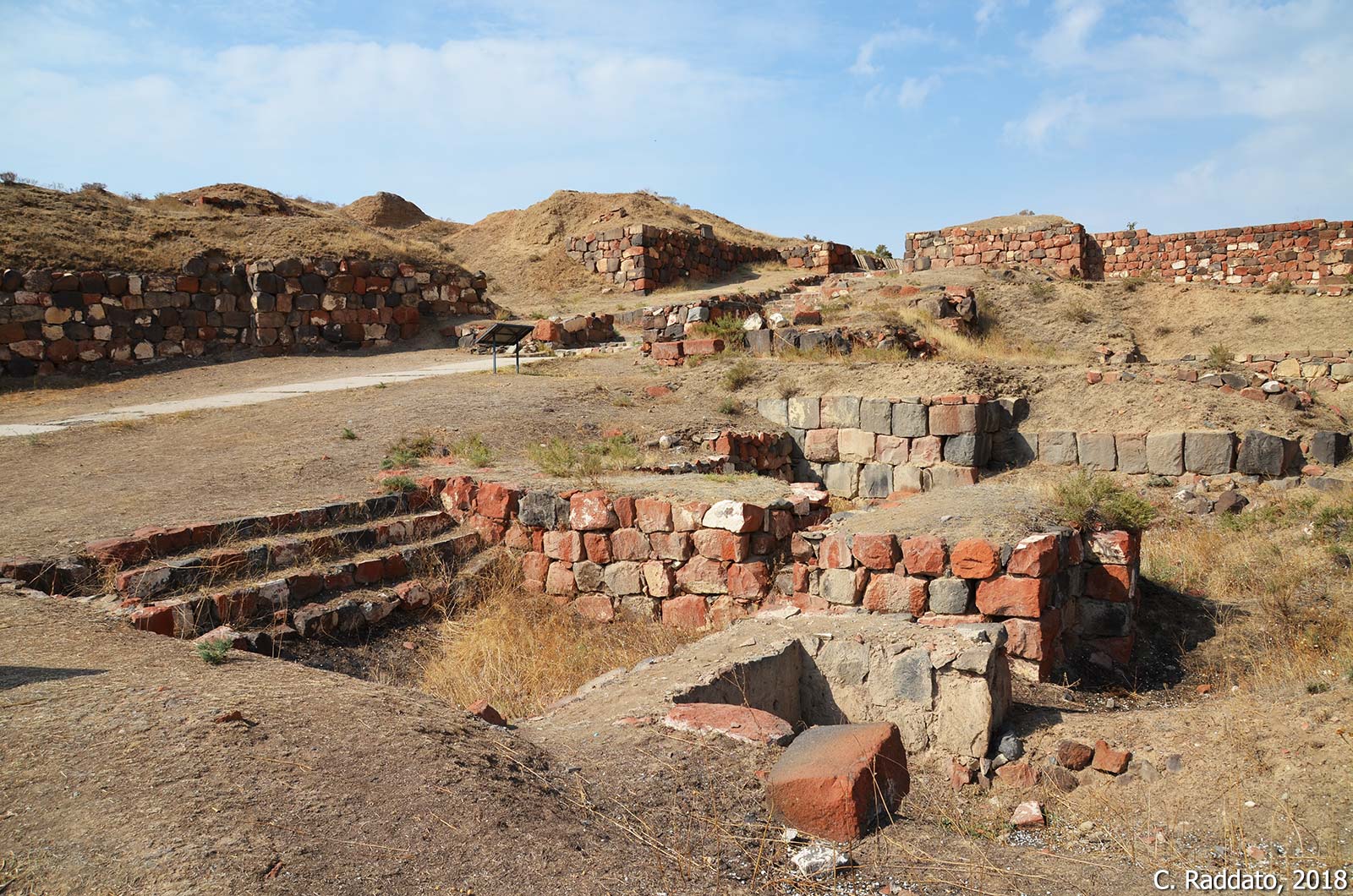
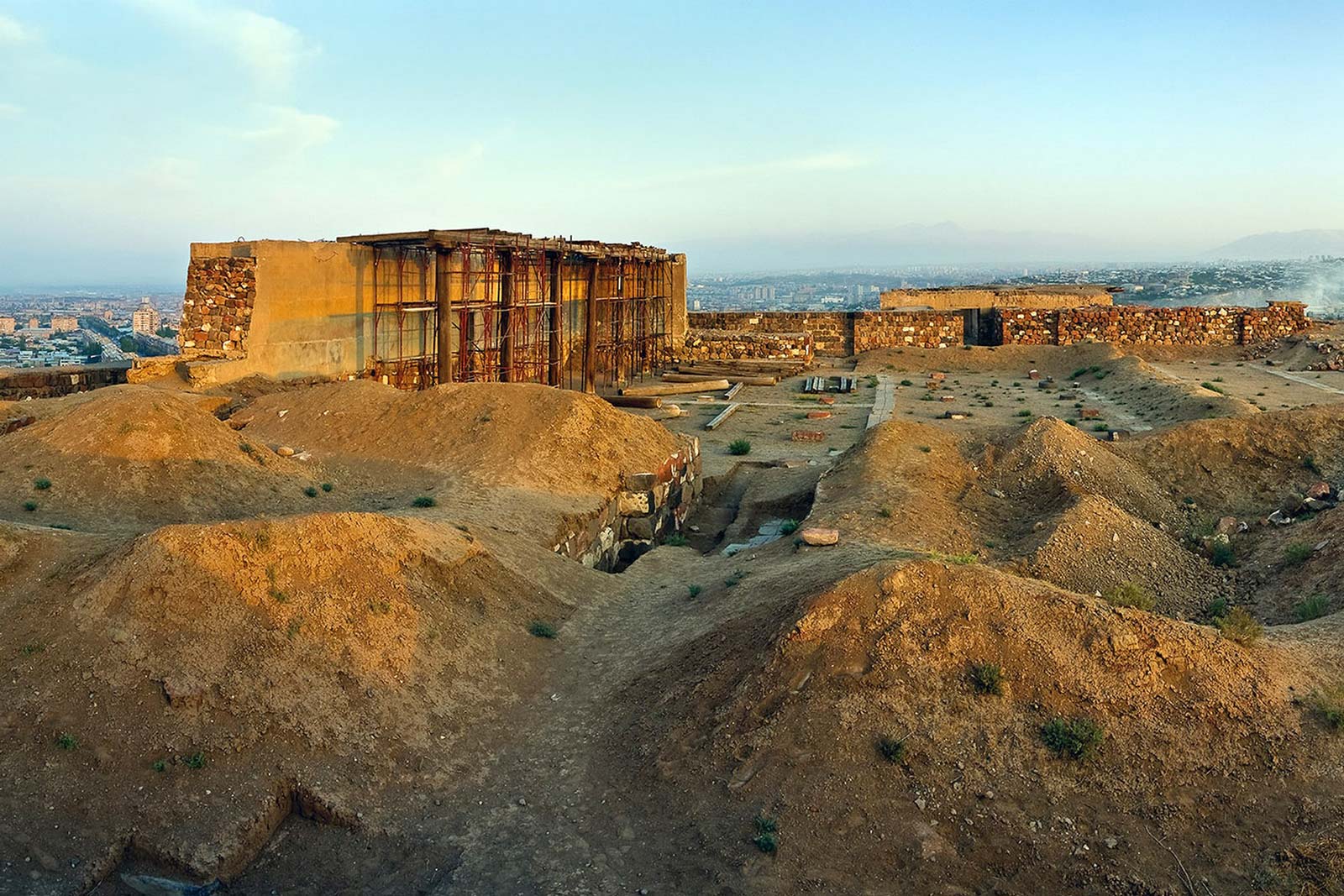
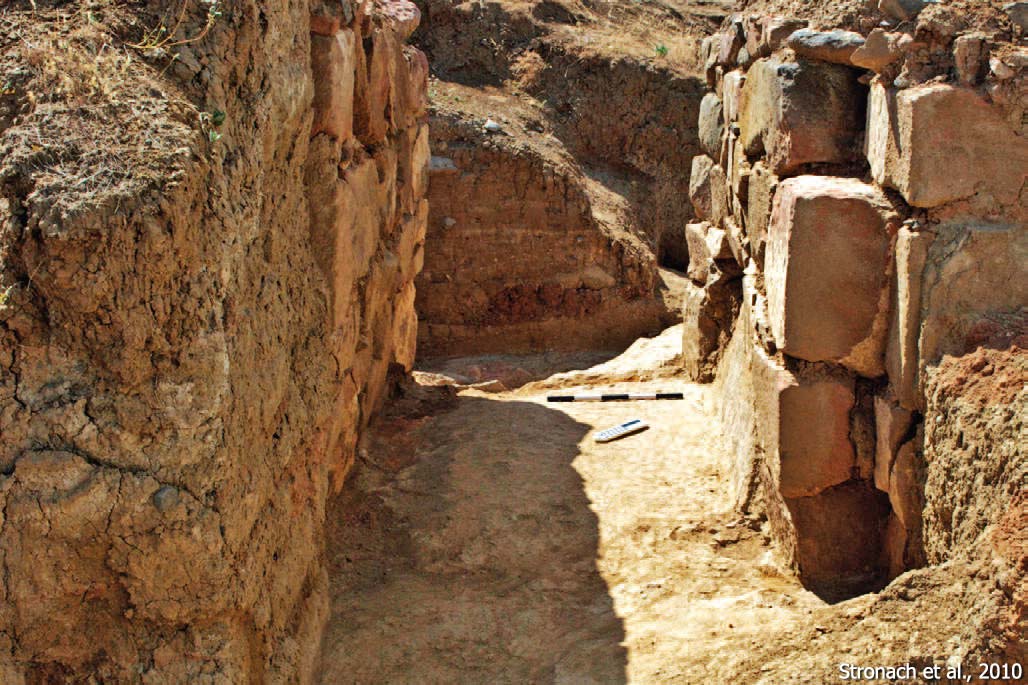
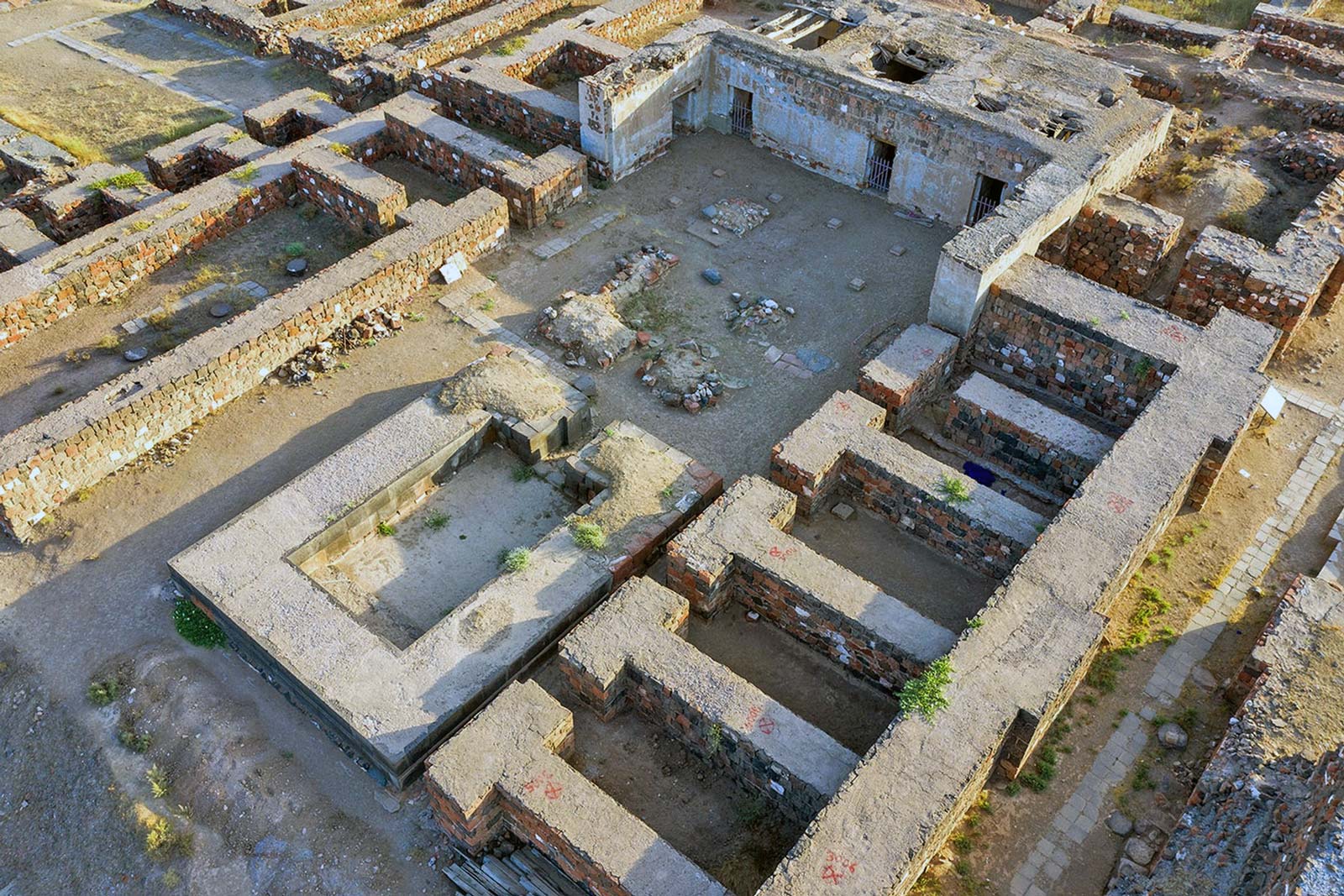
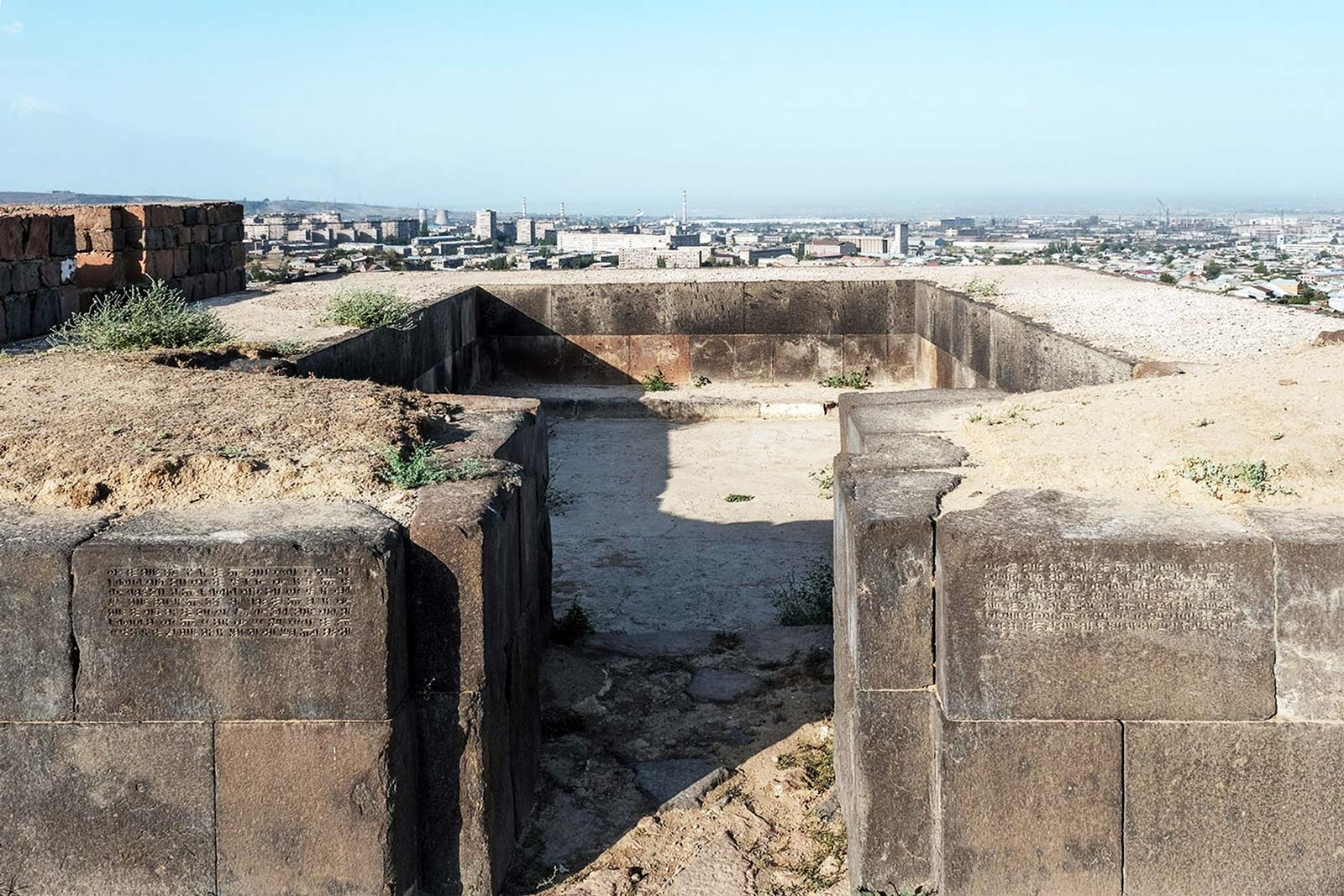
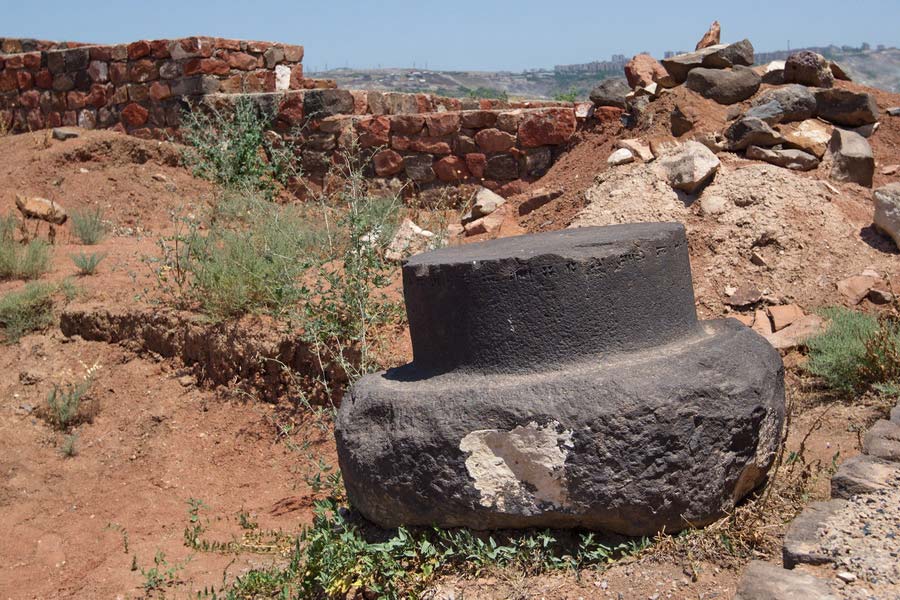
The fortress was constructed on a high hill overlooking the surrounding Ararat plain. Its layout followed the typical Urartian design: a citadel with strong defensive walls reinforced by towers, surrounded by a lower town. The citadel was built using large basalt blocks at the foundations and mudbrick walls above.
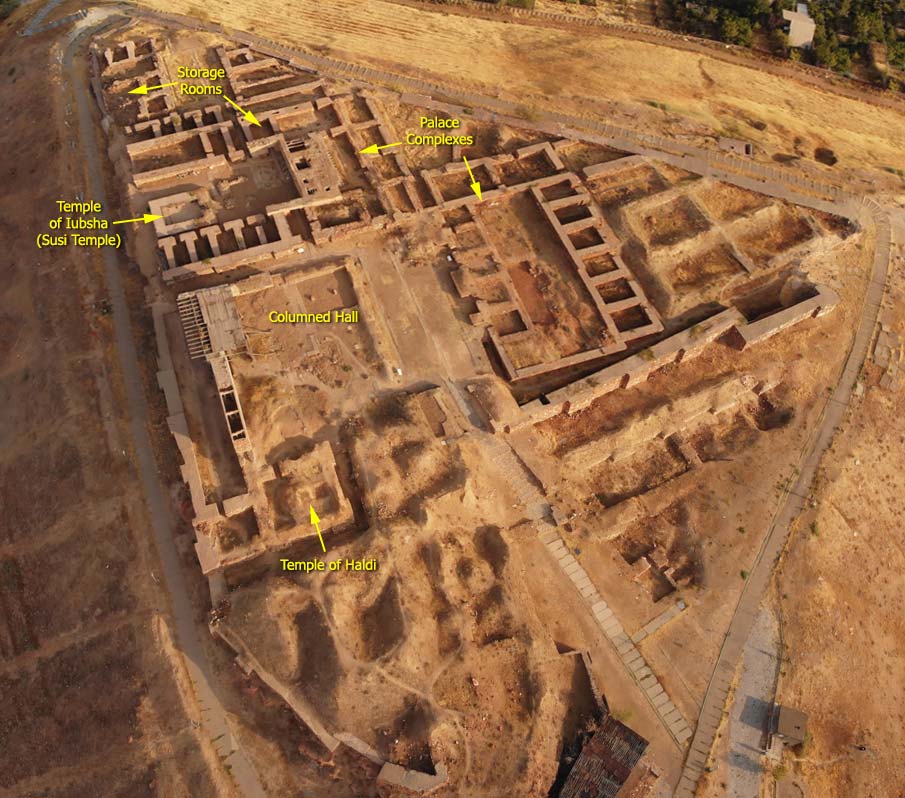
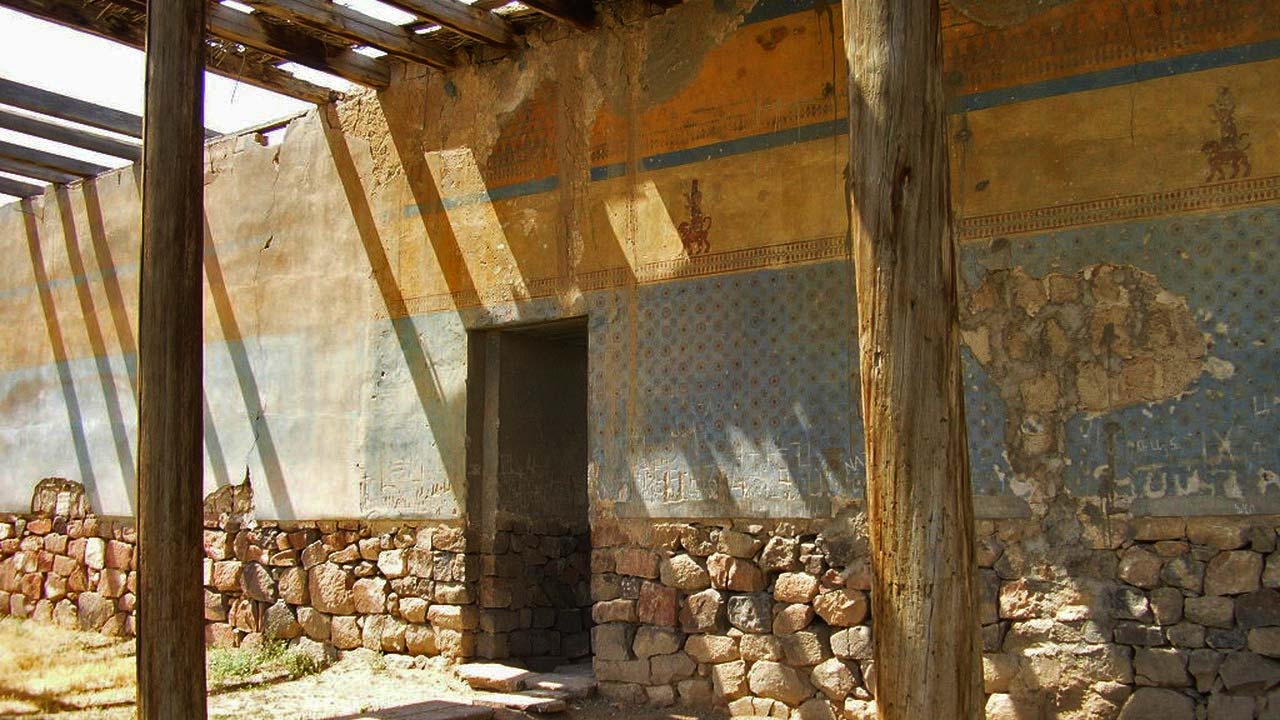
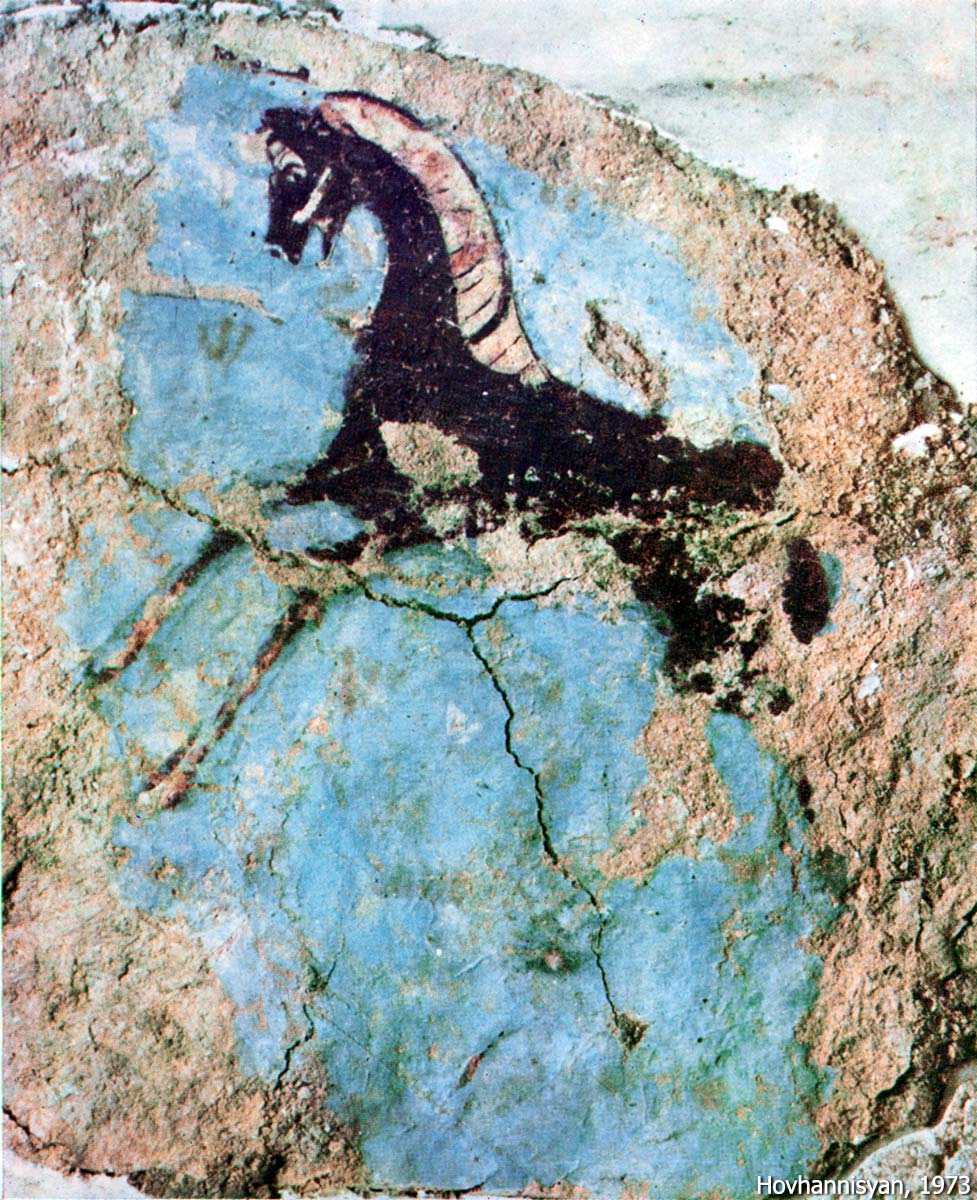
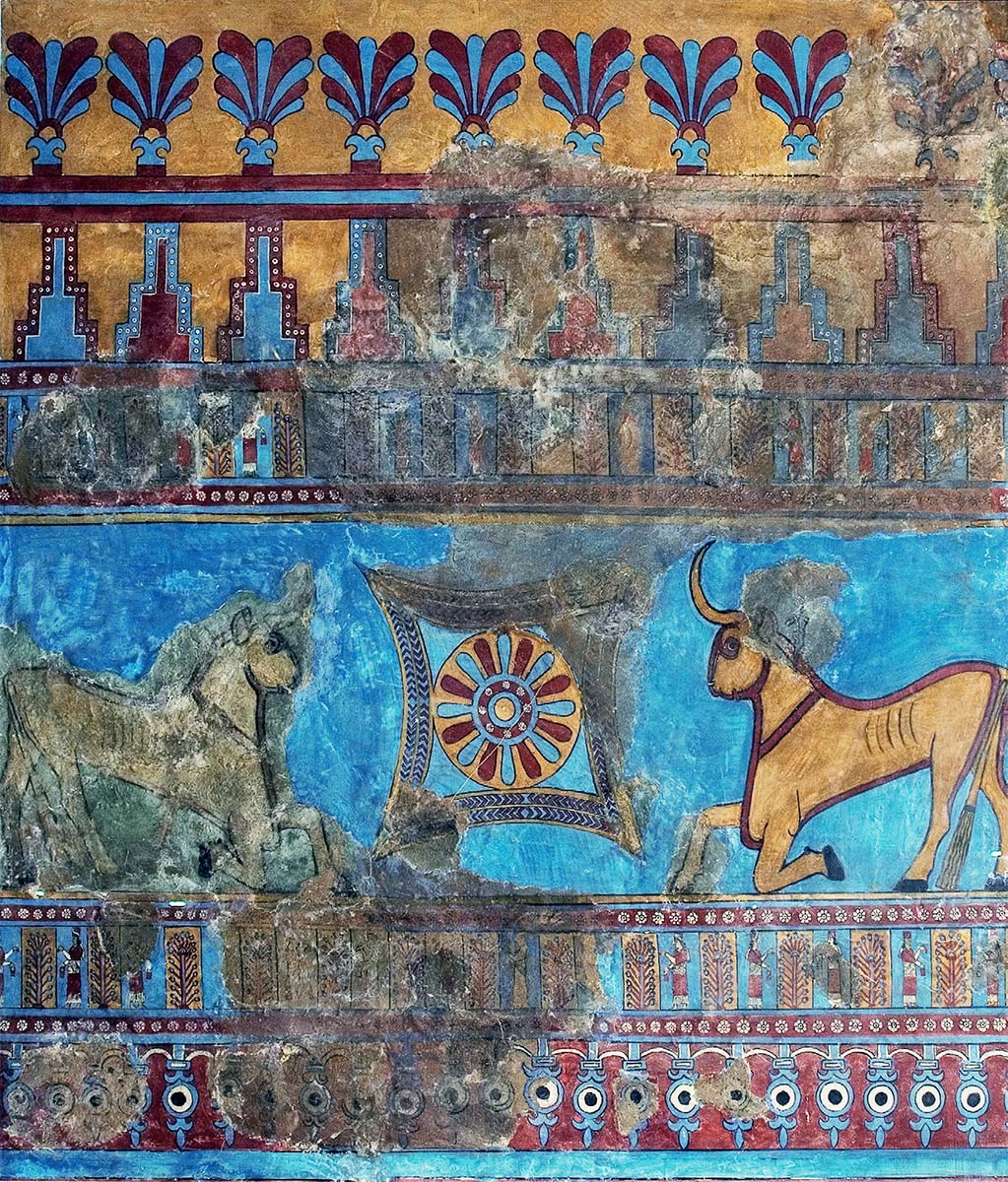
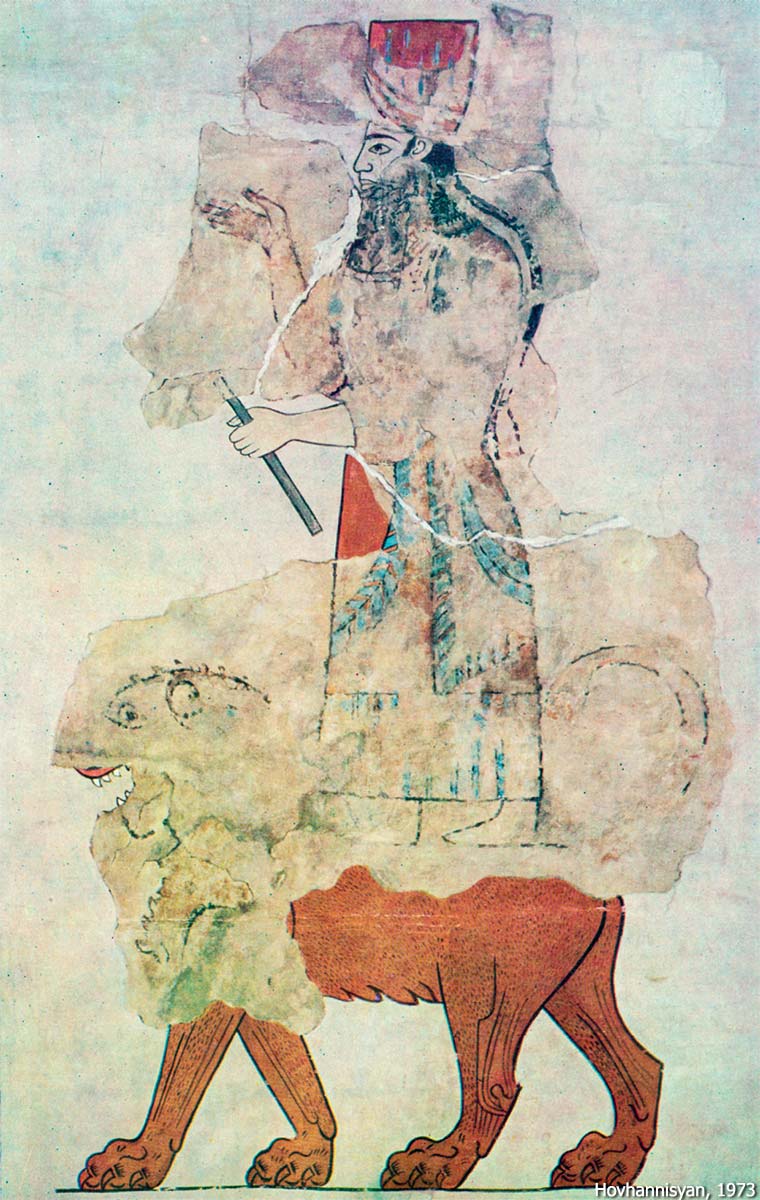
The oldest research on Arinberd hill has started with a small scale excavation in 1894 by A. A. Ivanovsky. The first systematic excavations began in 1950 under the direction of K. Hovhannisyan. Within the citadel, excavations revealed palace complexes, administrative buildings, storerooms, stables, and temples. In addition to the temple dedicated to the supreme god Haldi, a second tower temple (susi temple) dedicated to Iubša (Iwarša / Iuarša) was also discovered. Iubša is not among the Urartian gods listed in the Meher Gate inscription (A 3-1). It is thought to have been a local deity of the Ararat plain. Along with Çavuştepe/Sardurihinili, Erebuni is one of only two Urartian cities known to have had more than one temple. The colorful murals on the walls of palace rooms are among the best-preserved examples of Urartian wall paintings.
In addition to numerous smaller finds—such as seal impressions, bronze weapons, decorated ceramics, and jewelry—Erebuni has produced a comparatively larger corpus of inscribed artifacts, including clay tablets and stone inscriptions. The annals of Argišti I (A 8-1 and A 8-3) explicitly mention the building of the fortress and the resettlement of populations from conquered territories. Other inscriptions refer to offerings to Haldi and the construction of temples.
The city of Erebuni continued to grow under its founder, Argišti I, and his son Sarduri II. However, about a century after its foundation, around 675 BCE, it ceded its regional status to Karmir Blur, a new city established by King Rusa II, a few kilometers northwest of Erebuni.
Erebuni suffered destruction during the decline of the kingdom in the 7th–6th centuries BCE, likely due to invasions by Scythians or Medes. However, the site remained in use during the Achaemenid Persian period and beyond. Today, the remains of Erebuni Fortress are preserved as part of the Erebuni Museum.
References:
Areshian, G. & D. Stronach. 2021. “Erebuni (Arin-Berd),” in Archaeology and History of Urartu (Biainili), ed. G. R. Tsetskhladze, Colloquia Antiqua 28, Leuven, 593–649.
Deschamps, S. 2016. “Erebuni in the context of Urartean fortresses in the Ararat plain: Sources and problems,” Quaternary International 395, 208–215.
Hovhannisyan (Oganesyan), K. L., 1973. Erebooni, Hayastan Publishing House, Yerevan.
Stronach, D., H. Thrane, C. Goff & A. Farahani. 2010. “Erebuni 2008-2010,” AJNES 5.2,120–154.
Image Sources:
K. L. Hovhannisyan, 1973
Evgeny Genkin, 2007
D. Stronach et al., 2010
S. Deschamps, 2016
Voskanyan, 2016
Carole Raddato, 2018