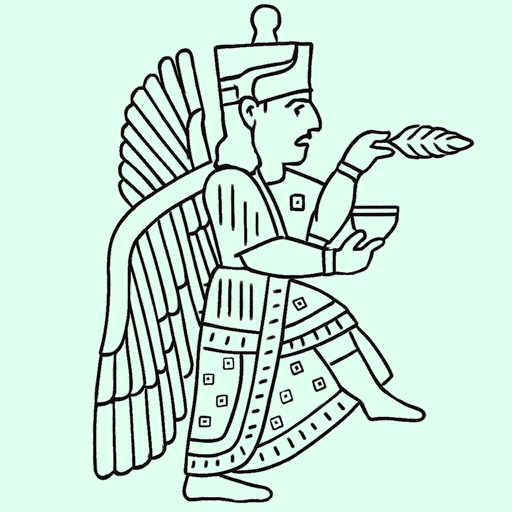
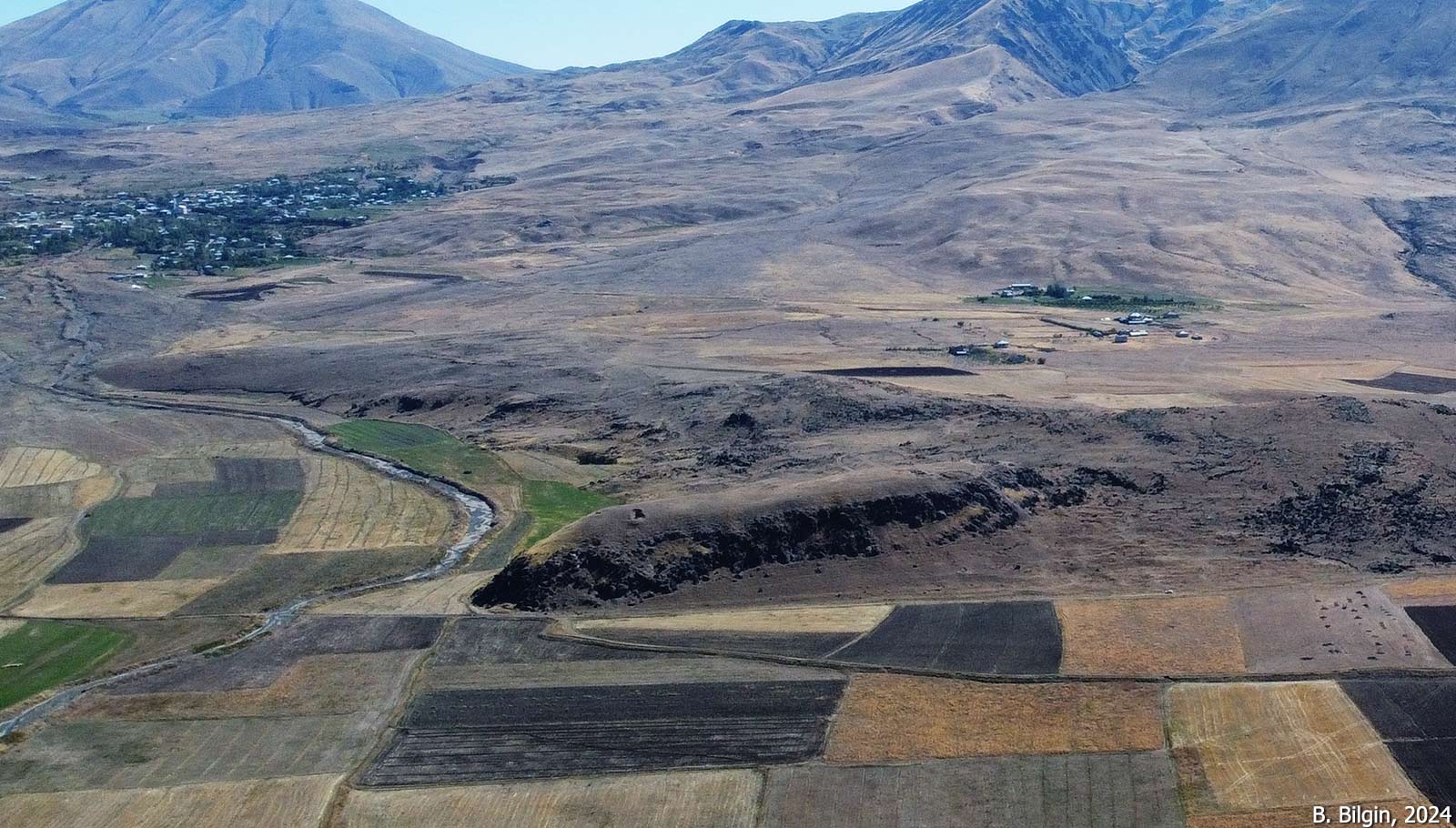
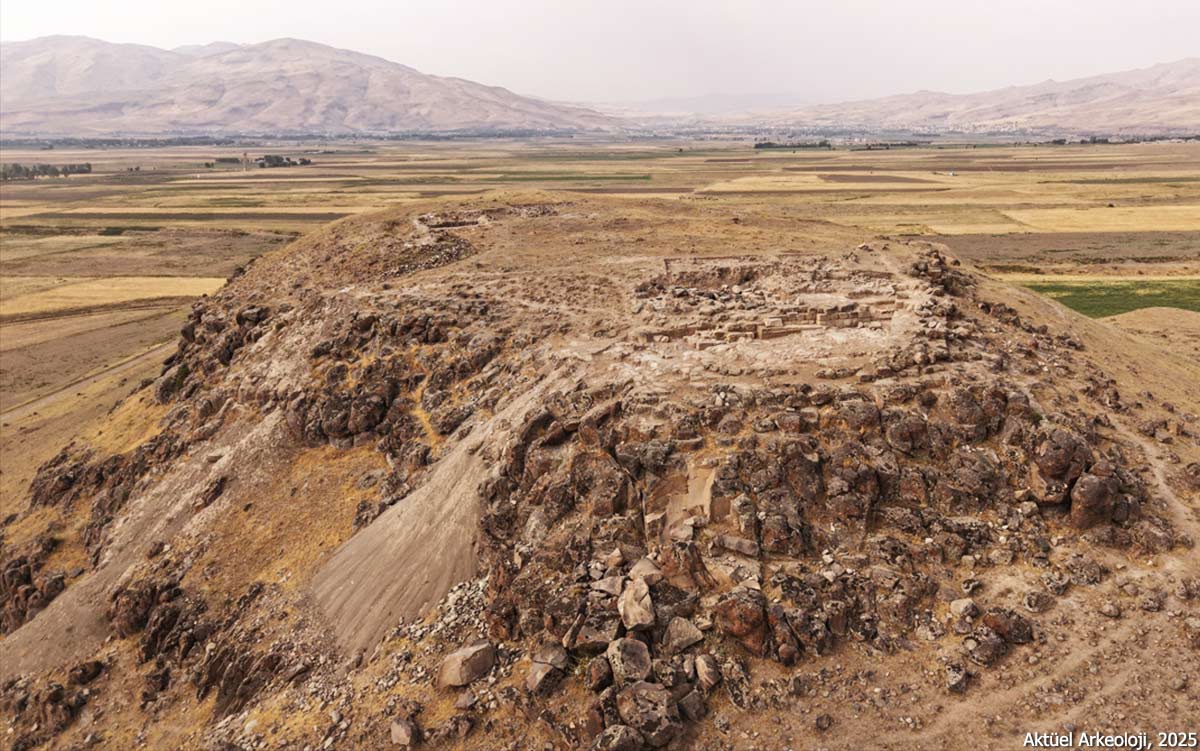
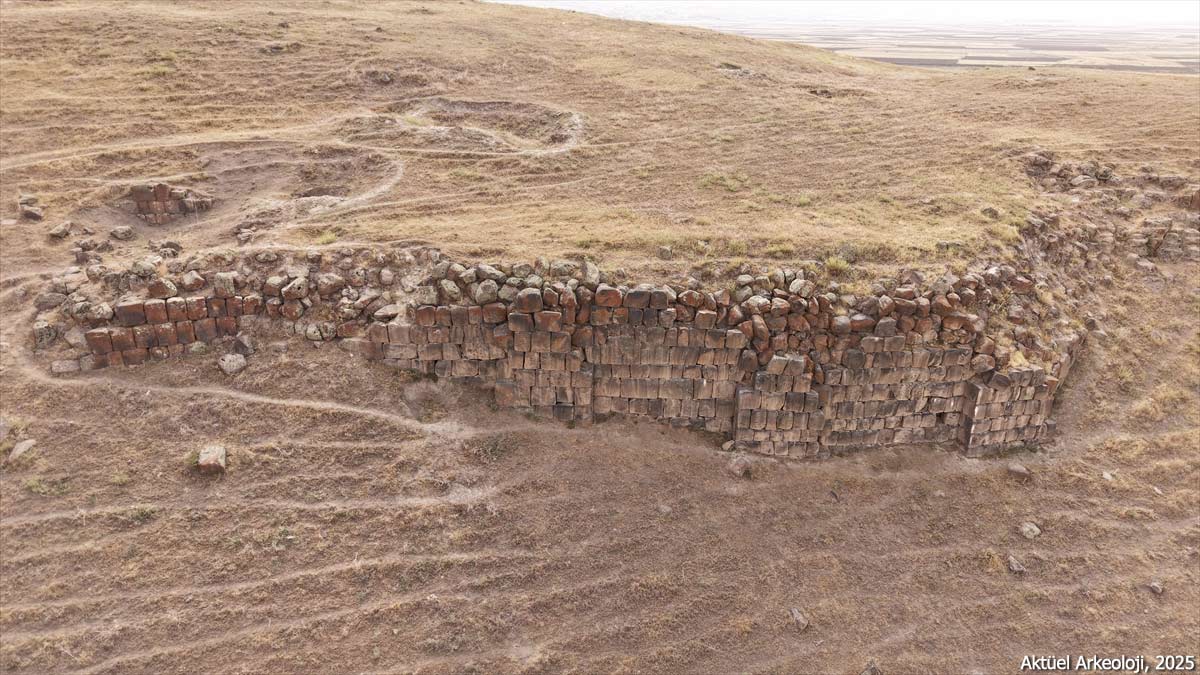
Körzüt Kale (Körzüt Fortress) is located approximately 60 km north of the city center of Van, south of the Muradiye Plain. The name Körzüt derives from “Korsot,” the former name of the nearby village of Uluşar. It is one of the fortress settlements built by Urartian King Minua (810–785 BCE). It was established on a basalt rocky elevation about 10 km east of the northeastern shore of Lake Van. The rock formation, which runs in a north-south direction, is approximately 310 meters long and about 100 meters wide. The fortification walls, especially on the southeastern side of the castle, are remarkably well-preserved, and even today, the walls built with large basalt blocks reach a height of up to 7 meters.
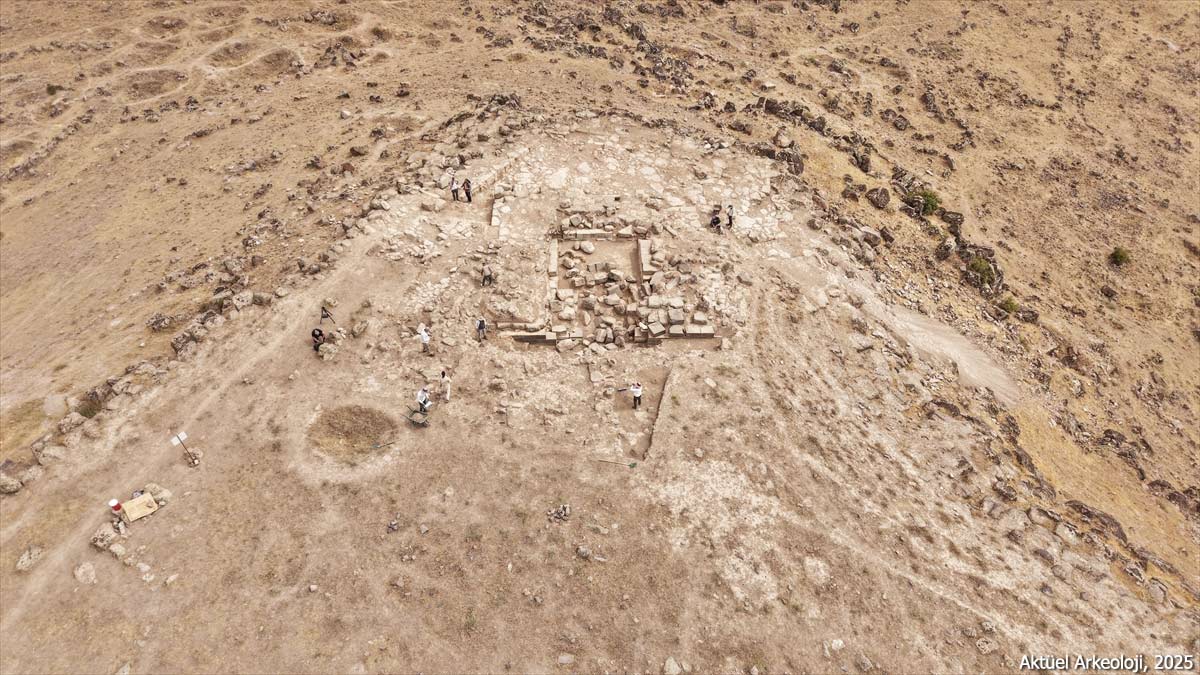
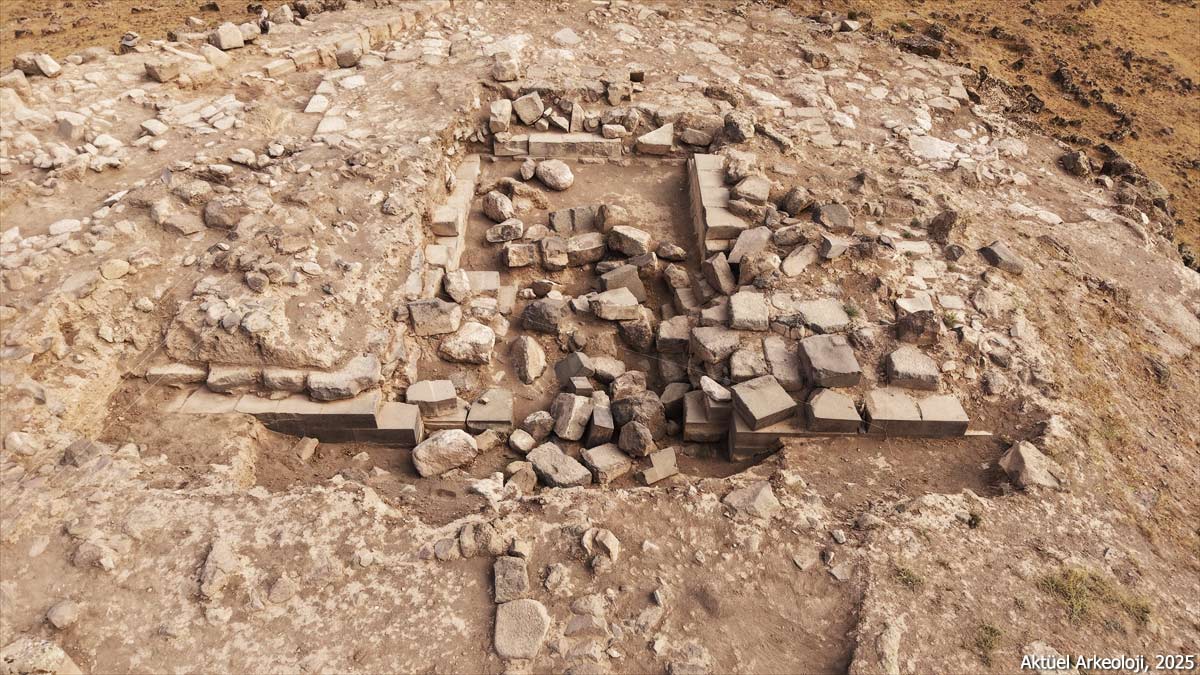
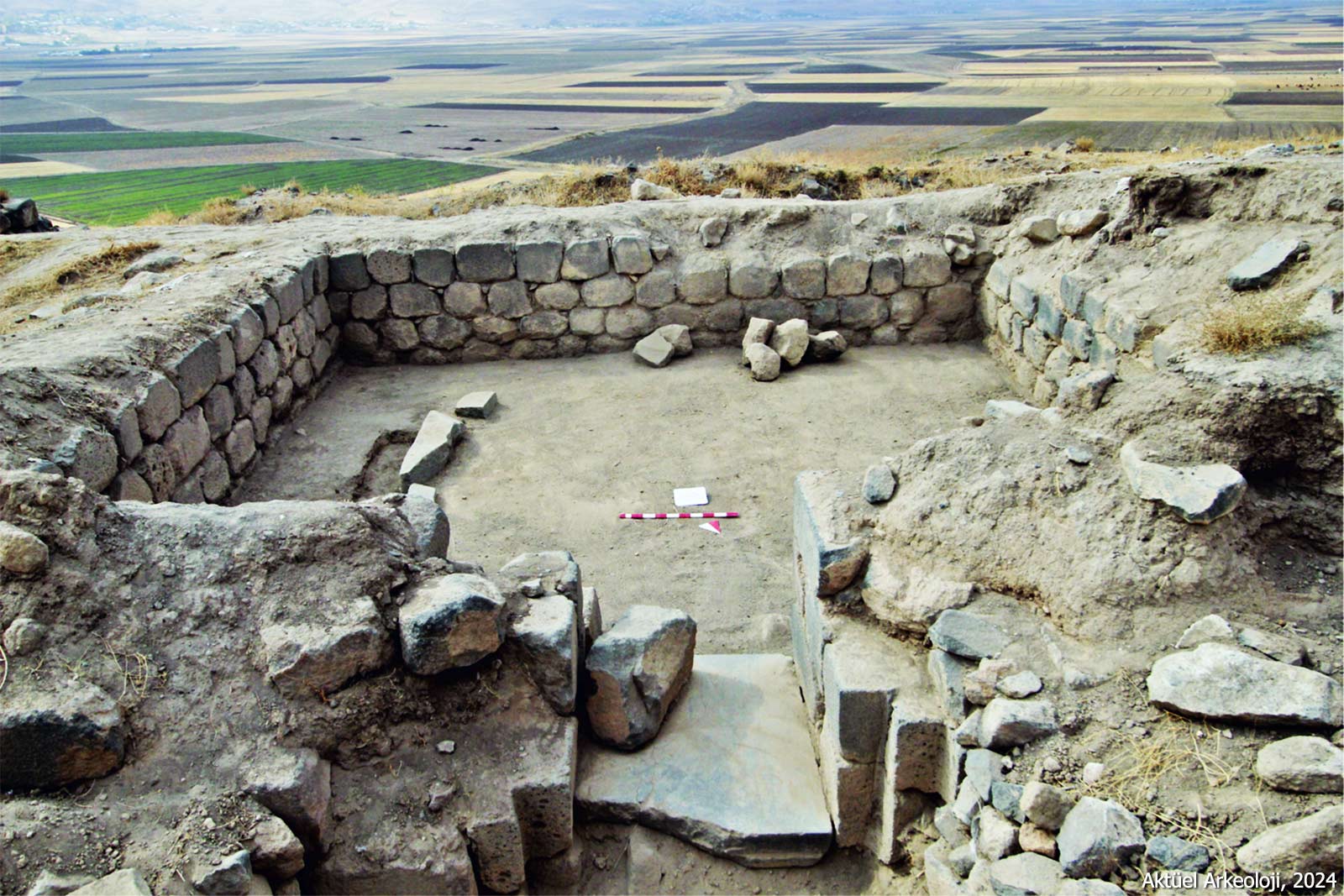
Among the many architectural remains identified within the citadel are a temple, a palace complex, and storage buildings. On the eastern side of the lower city, which was established at the foot of the hill, there is a necropolis area.
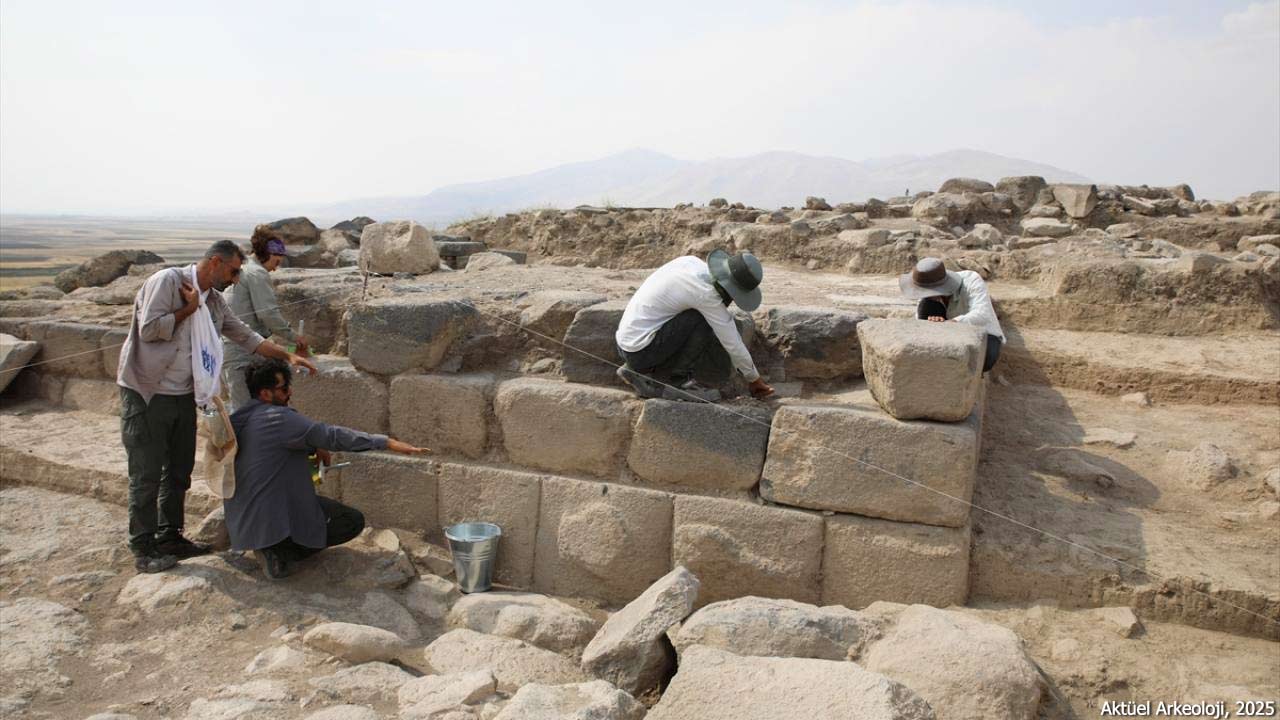
Körzüt and its surroundings have attracted the interest of researchers since the late 19th century. Numerous Urartian cuneiform inscriptions have been found here and in nearby settlements. Although various publications on these inscriptions have been made since then, the first surface survey at Körzüt Kale and the identification of it as a Urartian fortress were carried out by C. A. Burney in 1956. Despite the richness of the inscriptions and findings from surface surveys, the first official excavations were only conducted in 2016. Until that time, illegal excavations had caused serious damage to the archaeological layers. Since 2022, excavations have been conducted regularly.
The richness of the architectural complexes and inscriptions indicates that Körzüt was an important military, administrative, and economic center in the Urartian period. It is ideally located to control the fertile Muradiye Plain and trade routes. The Urartians built canals, dams, and reservoirs in the region both to irrigate the plain and to supply water to the fortress. Its heavily fortified walls show that it served as a strong military outpost in the north of Lake Van.
There is no evidence of a pre-Urartian settlement at Körzüt Kale. However, both on the citadel and in the lower city at the base of the hill, there are medieval-era structural remains.
References:
Dan, R. 2024. “Old Data and New Investigations The Urartian and Orontid Fortress of Körzüt in Muradiye Plain, Turkey,” Armeniaca 3, 9–39.
Uslu, E. 2021. “Körzüt Kalesi Tapınak Alanı 2016 Yılı Kurtarma Kazısı,” Türk Arkeoloji ve Etnografya Dergisi 82, 125–35.
Kuvanç, R., K. Işık & B. Genç. 2020. “A New Urartian Temple in Körzüt Fortress,” AJNES 141.1–2, 112–38.